 EN
EN

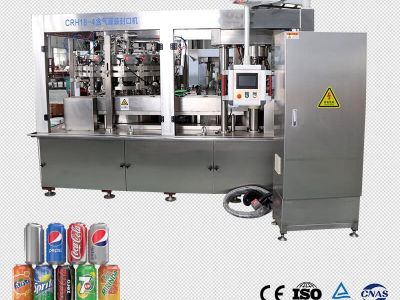
How to Choose the Right Beer Canning Equipment for Breweries of Different Sizes?
Finding the right beer canning equipment is important for breweries of all sizes. At Zhangjiagang Comark, we understand that different breweries have different production needs. Small craft breweries may only need a machine that can fill a few hundred cans per day, while larger breweries may require equipment capable of filling thousands of cans within a few hours. Choosing equipment with the right capacity helps breweries avoid wasted time, unnecessary costs, and production delays.
Breweries should consider both their current production volume and expected future growth when selecting beer canning equipment. A machine that is too small may limit production, while equipment that is much larger than necessary can increase the initial investment. The ideal solution should provide enough capacity for present operations while leaving room for reasonable expansion.
Where to Find Reliable Beer Canning Equipment for Wholesale Purchase?
If you are looking for reliable beer canning equipment for wholesale purchase, there are several useful places to explore. Industry trade shows are a good starting point because they allow brewery owners and buyers to see different machines operating in person. These events also provide an opportunity to speak directly with manufacturers and ask questions about production capacity, maintenance, installation, and technical support. Companies such as Zhangjiagang Comark can provide information about equipment options and help buyers understand which solutions may suit their operations.
Searching online is another convenient way to compare beer canning equipment. Manufacturer websites can provide information about machine specifications, features, available configurations, and applications. Buyers can compare different suppliers and consider customer feedback before making a decision. It is important to look beyond price alone. A lower purchase price may not always mean lower operating costs if the machine requires frequent repairs or produces inconsistent results.
Wholesale buyers should also ask manufacturers about warranties, spare parts, after-sales service, and operator training. Reliable support can make a significant difference when equipment is used regularly in a busy brewery. A good supplier should be able to provide guidance when installation, maintenance, or troubleshooting questions arise.
Local suppliers can also be worth considering. Working with a nearby supplier may simplify shipping, installation, and technical support. Buyers should also ask whether financing, leasing, or other payment options are available, especially when purchasing equipment represents a major investment for a growing brewery.
Common Usage Issues with Beer Canning Equipment and How to Resolve Them
Beer canning equipment can experience several common operating problems. One issue is improper can sealing. If a can does not seal correctly, air can enter the package and affect beer freshness. Problems may result from incorrect machine settings, worn components, or damaged cans. Operators should regularly inspect the equipment and cans and make sure the machine is adjusted according to the manufacturer's specifications.
Foaming is another common challenge during the filling process. Excessive foam can lead to product waste and make the packaging area difficult to manage. Breweries can reduce this problem by reviewing filling parameters, maintaining appropriate beer temperature, and ensuring that the equipment is properly adjusted for the specific product and can format.
Regular cleaning and sanitation are also essential. Beer residue can build up inside equipment and contribute to blockages, contamination risks, or inconsistent performance. Breweries should establish a routine cleaning and maintenance schedule based on the equipment manufacturer's instructions.
Operator training is equally important. Even high-quality beer canning equipment cost may perform poorly when workers do not understand the correct operating procedures. Proper training helps employees identify problems early and use the equipment safely and efficiently.
If an issue continues after basic troubleshooting, contacting the manufacturer or technical support team is recommended. Zhangjiagang Comark can be a useful resource for guidance on equipment operation, maintenance, and troubleshooting. Preventive maintenance, proper cleaning, and good operator training can help reduce downtime and extend equipment life.
Affordable Beer Canning Equipment Options for Small Breweries
Small breweries often need beer canning equipment that provides good performance without requiring an unnecessarily large investment. Online research is a convenient way to compare machines from different manufacturers. Companies such as Zhangjiagang Comark provide equipment options designed for breweries with different production requirements.
Shopping online allows brewery owners to compare specifications, production capacity, automation levels, and other features. Customer reviews and industry feedback can also provide useful information about how equipment performs in real-world applications.
Local brewing equipment suppliers are another option. Although local equipment may sometimes have a higher purchase price, buyers can benefit from seeing machines in person and discussing their requirements directly with suppliers. Trade shows can provide similar advantages while allowing buyers to compare several manufacturers at one location.
Used beer canning equipment can also be considered by breweries working with limited budgets. However, buyers should carefully inspect used machines before purchasing them. They should check the equipment's operating condition, maintenance history, availability of replacement parts, and compatibility with their existing production system.
Rather than choosing equipment based only on the lowest price, small breweries should consider the total cost of ownership. Energy consumption, maintenance, spare parts, labor requirements, downtime, and production efficiency can all affect the long-term value of a machine.
Key Features of Beer Canning Equipment for Craft Breweries
Craft breweries have specific packaging requirements because they often produce smaller batches and a wider range of beer styles. For this reason, flexibility is an important feature when selecting beer canning equipment.
Equipment should be capable of handling different production volumes and, when required, different can sizes. Flexible equipment allows breweries to package regular products as well as limited releases without needing a completely different production system.
Maintaining beer quality is another major consideration. Effective filling and sealing processes help minimize exposure to oxygen and protect the freshness of the finished product. Properly sealed cans can help breweries maintain consistent product quality during storage and transportation.
Ease of operation is also valuable for smaller breweries. Equipment with straightforward controls can make training easier and help operators work efficiently. Automated functions can further reduce manual tasks and improve consistency.
Sustainability is becoming another consideration for breweries. Energy-efficient machinery, reduced product waste, and efficient use of packaging materials can help businesses control operating costs while supporting environmental goals.
For craft breweries, the best beer canning equipment is therefore not necessarily the largest or most expensive machine. It is equipment that matches production volume, supports product quality, provides flexibility, and can adapt as the brewery grows.
Latest Trends in Beer Canning Equipment for Wholesale Buyers
Wholesale buyers should pay attention to several trends when evaluating beer canning equipment. One major development is increased automation. Automated equipment can reduce repetitive manual work, improve consistency, and help breweries process larger volumes efficiently.
Another important trend is the growing interest in sustainable packaging. Breweries are increasingly looking for packaging solutions that use fewer resources and support recycling. Lightweight cans and recycled materials can help reduce material consumption while maintaining suitable packaging performance.
Versatility is also becoming increasingly important. Breweries are experimenting with different can sizes for standard products, seasonal beers, promotional releases, and specialty beverages. Canning equipment that can accommodate multiple formats can provide greater flexibility for these changing product requirements.
Packaging appearance is another major consideration. Attractive can designs can help craft breweries differentiate their products in competitive retail environments. Improvements in printing and labeling technologies allow breweries to create distinctive packaging that supports their brand identity.
For wholesale buyers, understanding these trends makes it easier to choose equipment that will remain useful as customer expectations and brewery operations change. Zhangjiagang Comark focuses on providing beer canning equipment for sale that can support different production requirements, helping breweries improve packaging efficiency while preparing for future growth.
Ultimately, choosing the right beer canning equipment requires more than comparing purchase prices. Breweries should evaluate production capacity, filling and sealing performance, flexibility, maintenance requirements, automation, energy use, and technical support. By selecting equipment that matches both current needs and future plans, breweries can improve efficiency, protect beer quality, and build a more reliable packaging operation.
Table of Contents
- How to Choose the Right Beer Canning Equipment for Breweries of Different Sizes?
- Where to Find Reliable Beer Canning Equipment for Wholesale Purchase?
- Common Usage Issues with Beer Canning Equipment and How to Resolve Them
- Affordable Beer Canning Equipment Options for Small Breweries
- Key Features of Beer Canning Equipment for Craft Breweries
- Latest Trends in Beer Canning Equipment for Wholesale Buyers