 EN
EN

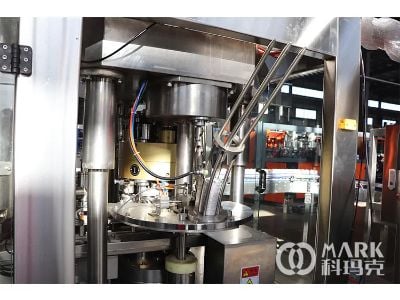
Filling equipment is crucial in manufacturing, particularly in the beverage, cosmetic, and pharmaceutical industries, where speed and accuracy are paramount. Understanding how filling equipment can enhance production speed and filling accuracy is essential for B2B buyers, including purchasing managers and engineers. This article will explore key specifications to consider when choosing can beverage filling machine, the balance between cost and quality, common issues and their solutions, installation guidance, and the diverse applications of filling equipment across various industries.
Key Specifications to Consider When Choosing Filling Equipment
When selecting filling equipment, several key specifications must be evaluated to ensure optimal performance. First, consider the filling capacity, which is often measured in bottles per minute. This specification is crucial as it directly impacts production efficiency. A higher capacity means increased throughput, which is essential for meeting demand, especially during peak seasons.
Next, look at the filling accuracy, typically expressed as a percentage of the target volume. Precision is vital in minimizing waste and ensuring compliance with industry standards. Inconsistent filling can lead to customer dissatisfaction and regulatory issues, particularly in industries like pharmaceuticals, where dosages must be precise.
Material compatibility is another critical factor. The canning filling machine must be constructed from materials that can withstand the chemical properties of the liquids being filled. For instance, corrosive substances may require stainless steel or specialized coatings to prevent degradation.
Lastly, consider the type of filling technology employed, gravity, pressure, vacuum, or piston filling and how it aligns with your product characteristics. Each technology has its advantages and is suited for specific types of products, such as viscous liquids or powders.
Cost vs. Quality Considerations
When purchasing filling equipment, buyers often face the dilemma of cost versus quality. While it may be tempting to opt for the lowest price, this approach can lead to increased long-term costs due to maintenance, downtime, and inefficiencies. Investing in high-quality can filling line equipment from a reputable manufacturer like Zhangjiagang Comark Machinery Co., Ltd. can result in better performance, reliability, and lower total cost of ownership.
It’s important to evaluate the total cost of ownership, which includes initial purchase price, installation costs, maintenance, and potential downtime. Buyers should also consider warranty options and the availability of spare parts, as these factors can significantly impact long-term operational costs.
Furthermore, quality assurance processes during manufacturing should be scrutinized. Equipment built with strict quality control measures tends to be more durable and efficient. Buyers should inquire about certifications and testing procedures that the manufacturer employs to ensure product quality.
Common Problems with Filling Equipment and Effective Solutions
Filling equipment can face various challenges that, if unaddressed, can hinder production efficiency. One common issue is inconsistent filling volumes, which could be due to equipment misalignment or wear and tear. Regular maintenance and periodic recalibration can mitigate this problem. A proactive maintenance schedule should be established, which includes routine inspections to ensure that all parts are functioning correctly.
Another frequent challenge is contamination during the filling process. This can arise from inadequate cleaning procedures or improper handling of products. Implementing strict hygiene standards and utilizing automated cleaning systems can reduce the risk of contamination, especially in the pharmaceutical and food industries.
Finally, mechanical failures, such as pump malfunctions or sensor errors, can lead to significant downtime. Investing in reliable equipment with a robust support system from the manufacturer can minimize these risks. Buyers should ensure that the supplier provides comprehensive technical support and readily available spare parts.
Installation Guidance for Optimal Filling Equipment Performance
Proper installation of filling equipment is essential for maximizing its performance and longevity. The first step is to ensure that the equipment is set up in a suitable environment. This includes adequate space for operation, maintenance access, and proper ventilation to prevent overheating.
Next, follow the manufacturer’s installation guidelines closely. This may involve calibrating sensors, aligning components, and testing all functionalities before full-scale production begins. An initial test run is advisable to identify any issues that may not have been apparent during installation.
Training operators on the equipment is also critical. They should be familiar with its features, functionalities, and safety protocols. Regular training sessions can help maintain high operational standards and ensure that any changes or upgrades to the equipment are effectively communicated.
Applications of Filling Equipment Across Various Industries
Filling equipment plays a significant role in various industries, each with unique requirements. In the beverage industry, high-speed filling machines are designed to handle liquids with varying viscosities, ensuring that products like juices, soft drinks, and alcoholic beverages are filled accurately and efficiently.
In the cosmetic sector, filling equipment must accommodate a range of product types, including creams, gels, and serums, often requiring specialized nozzles and filling techniques to handle different viscosities without damaging the product.
The pharmaceutical industry demands the highest levels of precision and cleanliness. Filling equipment used in this sector is designed to minimize contamination risks and ensure that products are filled within strict tolerances. This includes aseptic filling technologies that maintain sterility throughout the process.
Additionally, the industrial sector uses filling equipment for packaging powders, granules, and other bulk materials, requiring robust machines capable of handling varying densities and moisture levels.
Understanding how filling equipment can improve production speed and filling accuracy is crucial for B2B buyers across various industries. By considering key specifications, balancing cost and quality, addressing common issues, ensuring proper installation, and recognizing the diverse applications, buyers can make informed purchasing decisions that enhance their operational efficiency and product quality.