A water purification plant is a huge job, and expensive to boot. One question that might occur to many is why are the costs so high. Zhangjiagang Comark understands this and it knows that there are many, many components to making these plants work well. Every part is a factor in how costly or not it may be to build and run the plant. There’s so much to consider, from where the plant is built to the technology it uses. Understanding these reasons can help communities decide how to better manage their water supplies. Let’s dissect what influences the cost of a water purification plant, and how these costs may be altered by various technologies.
There are a few factors that can determine how expensive a water treatment plant is. One major factor is where the plant is assembled. If it’s in an urban area, workers will have to charge more on account of land prices and special permits. The land may be less expensive if it’s in a more rural location, but you could also face additional fees and costs to bring water and electricity. Another big one is the size of your plant. A small plant that can serve a few hundred people costs less than one that can serve several thousand. The building materials of the plant being constructed is another factor that affects pricing. High-quality materials might cost more initially, but can save money by lasting longer and requiring less maintenance over time. Costs of labor, including the wages paid workers who construct and operate the plant, also differ by region. If a place has a lot of talented workers, then it might cost more to hire them. There are also long-term costs to consider, such as maintenance and repairs. An advanced technology plant might require special technicians to keep it running, though, which can increase costs. Lastly, increased costs can be incurred through government regulations. If a jurisdiction has stringent standards for water quality, it might require costlier equipment and testing, and that can drive up the total price of the plant. To help reduce costs, consider looking into our 1-100 Ton Water Treatment RO System for efficient water management.
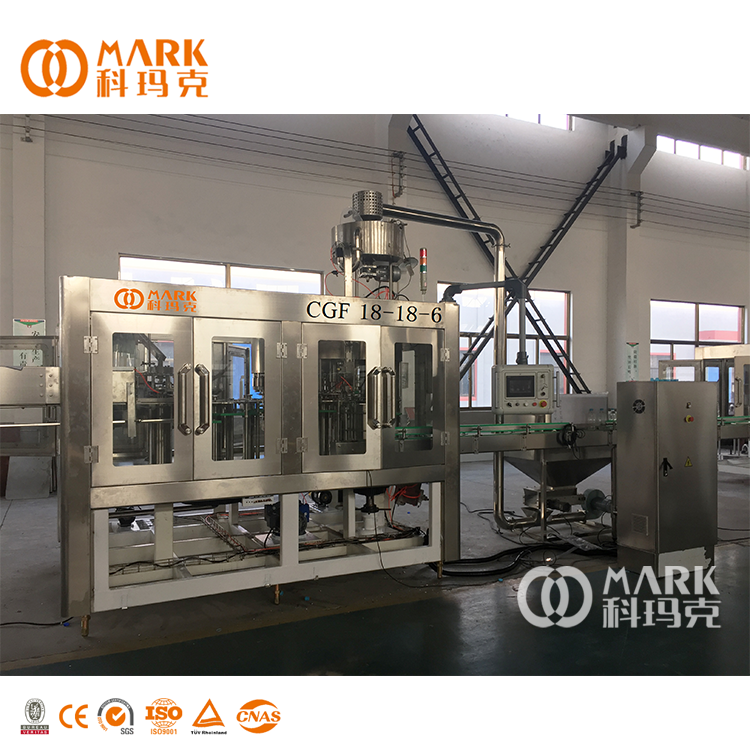
The type of technology used in a water purification plant can vary dramatically the amount that it costs. There are lots of ways to purify water, and some ways are costlier than others. Reverse osmosis is one common method for cleaning water of many impurities, for instance. This technology uses special membranes and is effective, but the initial investment can be expensive. On the other hand, more traditional methods like chlorine treatment are less expensive, but potentially not 100 percent effective. The decision of which technology to employ may vary depending on factors specific to the community, including water source and contaminant types. Another tool in the arsenal is BPE who are specialists in UV disinfection equipment that can have a higher upfront cost but be highly effective and with lower ongoing costs. And plants with “smart” technology that can track water quality in real time and minimize the amount of maintenance work needed could also reduce costs, while keeping water always safe to drink. But those systems require a larger initial investment. Zhangjiagang Comark is well aware that make the right tech and technology selection must be critical. It’s not just the price; it’s also what the plant will cost to operate through time. If the right technology is selected to meet the needs of a community, it can help manage its costs and continue to provide safe, clean water. For example, our Fruit Apple Juice Hot Filling Bottling Equipment Production Line offers advanced technology for efficient production.
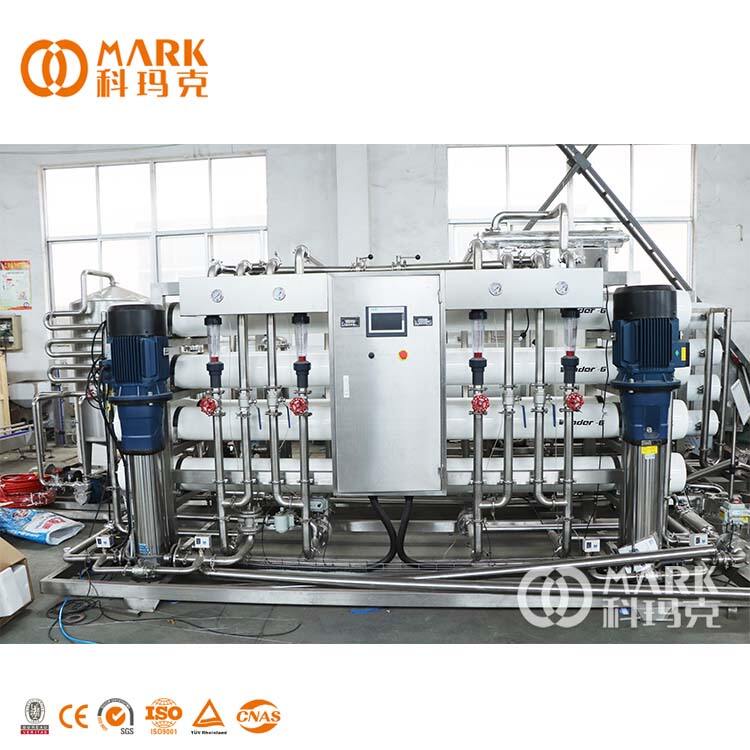
Without money, nothing can happen for the water purification plant to be up and running – perhaps with next to new machinery if it was purchased second hand! A great place to find this type of equipment is suppliers that manufacture water purification systems. Wholesale Prices Manufacturers wholesale their products which can save you a bundle. You can begin by searching online for companies which produce water purification equipment. Zhangjiagang Comark is one of those most trusted brands. They offer a line of machines for various needs, and when you purchase directly from them, you can often get better prices than in stores. Yet another is by going to trade shows or industry events. These are some of the opportunities to meet manufacturers and view their products face to face. You can also ask questions and hear more about the technology they work with. It can also aid you in making informed purchasing decisions when shopping for gear. And don’t overlook that used gear, either. There are instances where businesses upgrade their machines, only to sell them at a discount. Specialty websites that feature used industrial equipment could be very helpful. Just be sure to check the gear out well or negotiate a warranty if possible so you don’t get ripped off. Lastly, see if you can join groups or discussion boards of folks who talk about water purification. You’ll see recommendations and advice from others in the field. This will help you seek out hidden gems to get good gear for cheaper.
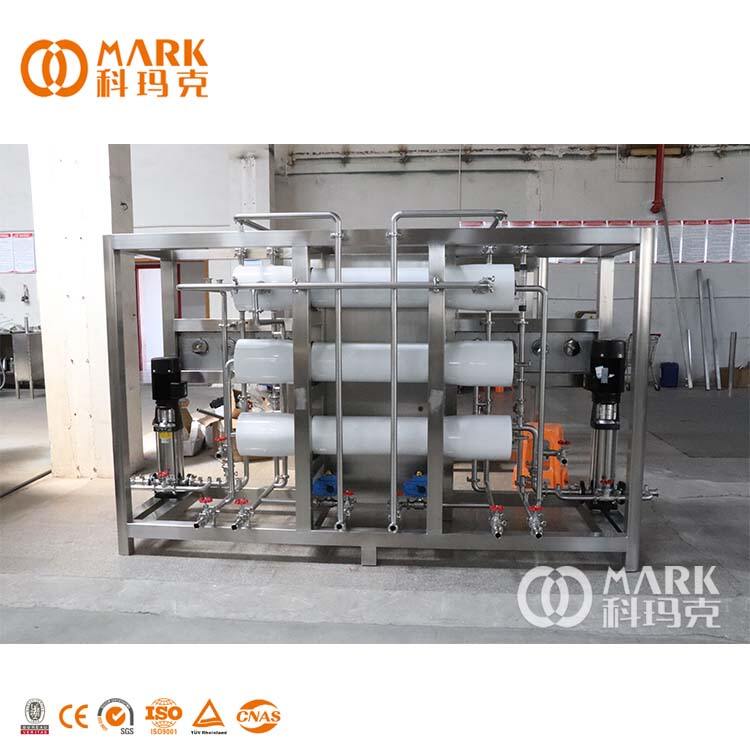
Running a water purification plant is about more than buying equipment. There are hidden expenses that can add up fast. For one, you have to consider upkeep. “The equipment requires regular checks and maintenance to keep it in good working condition. Something breaks, it can be very expensive to repair, and that can really throw a wrench into what you’re doing. You’ll also have to cover utilities like electricity and water. A water purification plant requires a significant amount of energy, so these bills may be higher than you anticipate. You also have to pay for experienced people to run the plant. Their pay and training costs will need to fit with your budget. You might have to follow local regulations, which can increase your cost as well. There can also be fees for permits and licenses, not to mention adjustments that need to be made at your plant to comply with safety standards. And let’s not forget the cost of the chemicals that accompany those purification activities. These chemicals are necessary to make the water safe to drink, but they may become prohibitive if you are treating a large volume of water. Lastly, you'll want to factor in marketing cost. Suddenly, you make a fantastic product and you still somehow have to tell people. Advertising and advertising your water is often a much-needed expense, it becomes difficult to turn a profit and the cost of this process can eat up into your profits. All of these hidden costs should be taken into consideration, so when budgeting for your operation it is an integral part of what you need to take into account in order to run the plant successfully with no surprises.
 EN
EN