 EN
EN

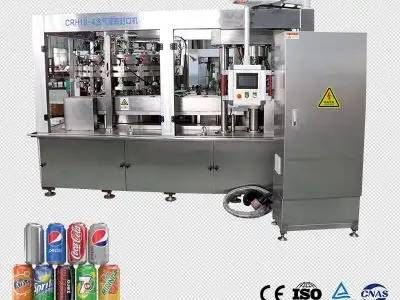
Understanding the key types of can filling equipment for carbonated and juice canning lines is crucial for beverage manufacturers looking to enhance productivity and maintain quality. Selecting the right filling equipment can impact operational efficiency, product integrity, and ultimately, customer satisfaction, we will explore how to evaluate quality in can filling equipment, essential specifications for efficient systems, cost factors to consider when sourcing equipment, installation challenges, and tips for wholesale purchasing
How to Evaluate Quality in Carbonated & Juice Canning Equipment
When assessing the quality of can filling equipment, several factors come into play. Firstly, the material used in construction is paramount; stainless steel is commonly preferred for its durability and resistance to corrosion. Additionally, reputable manufacturers, like Zhangjiagang Comark Machinery Co., LTD., often adhere to strict quality control processes, ensuring that every piece of machinery meets industry standards
Buyers should also consider the equipment's performance capabilities. This includes the fill accuracy, which affects product consistency and waste minimization. A machine that fills cans with precision reduces the risk of overfilling or under-filling, both of which can lead to customer complaints and financial losses. Furthermore, inspecting for certifications, such as ISO standards, can provide assurance of the manufacturer's commitment to quality
Essential Specifications for Efficient Can Filling Systems
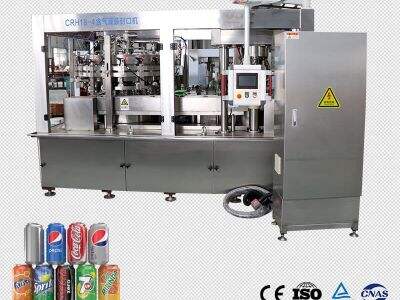
Efficient can filling systems are defined by several key specifications. The first is the filling speed, which should align with production demands. A machine that fills at a higher rate may be beneficial for large-scale operations but must not compromise on fill accuracy
Another crucial specification is the type of filling mechanism. Common types include gravity, pressure, and vacuum filling systems, each of which has its advantages depending on the product's viscosity and carbonation levels. For instance, pressure filling systems are ideal for carbonated beverages, while gravity filling may suffice for non-carbonated juices
Buyers should also evaluate the system's compatibility with existing production lines. Modular designs can offer flexibility, allowing for future upgrades or modifications as production needs evolve. Moreover, it's essential to consider the machine's maintenance requirements; equipment that is easier to maintain can lead to reduced downtime and lower operational costs
Cost Factors to Consider When Sourcing Filling Equipment
Cost is a significant consideration when sourcing can filling machinery. Buyers should be aware that the initial purchase price is only one aspect of the total cost of ownership. Factors such as energy consumption, maintenance costs, and the potential need for specialized training can significantly impact overall expenses
When evaluating quotes from suppliers, it's also important to consider the warranty and after-sales support offered. A robust warranty can provide peace of mind, while strong technical support from the manufacturer can help resolve any issues quickly, minimizing downtime
Additionally, bulk purchasing may offer cost savings, but buyers should balance this with their production needs. It’s advisable to confirm minimum order quantities (MOQ) and explore financing options if needed
Common Installation Challenges with Can Filling Machines
Installing can filling equipment can present several challenges. One of the most common issues is ensuring proper alignment with existing production lines. Misalignments can lead to inefficiencies and increased wear on the machinery. It's vital to work closely with the supplier during the installation process and to verify that all components fit together as intended
Another challenge can arise from the facility's infrastructure, such as insufficient electrical supply or lack of necessary ventilation for certain types of machinery. Before installation, conducting a thorough site assessment can help identify potential issues and allow for necessary adjustments
Training staff on the new equipment is also crucial. Operators must understand how to use and maintain the machinery correctly to avoid operational problems. Comprehensive training programs provided by the manufacturer can greatly enhance operational efficiency and safety
Wholesale Purchasing Tips for Can Filling Machinery Buyers
When purchasing can filling machinery wholesale, buyers should adopt a structured approach. Start by clearly defining the requirements based on production capacity and product types. Detailed specifications will streamline the selection process and help suppliers provide suitable options
Requesting samples or demonstrations can also be beneficial. Observing the equipment in action allows buyers to assess performance and suitability for their specific needs. Moreover, discussing customization options with suppliers can lead to tailored solutions that enhance operational efficiency
Lastly, establishing a solid relationship with the manufacturer or supplier can provide long-term benefits. Open lines of communication can facilitate better negotiations, quicker support, and a more collaborative approach to problem-solving, ensuring that the machinery continues to meet evolving production demands
By understanding these aspects of can filling equipment for carbonated and juice canning lines, buyers can make informed decisions that enhance their production processes and contribute positively to their bottom line