 EN

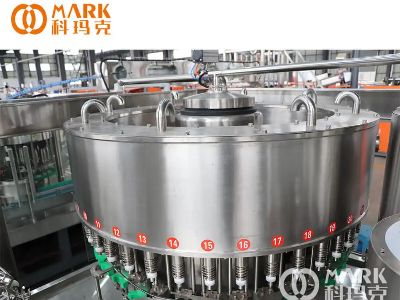
Pure water factory equipment plays a critical role in ensuring sanitation and compliance requirements across various industries, including beverage, cosmetics, and pharmaceuticals. As businesses increasingly prioritize clean water for production processes, understanding the specifications and quality standards for this equipment becomes essential for purchasing managers and engineers. This article will help you navigate the key specifications, find reliable suppliers, understand cost factors, address common equipment issues, and explore applications of pure water factory equipment in different sectors.
Key Specifications for High-Quality Pure Water Factory Equipment
When selecting pure water factory equipment, several key specifications must be considered to ensure optimal performance and compliance with industry standards.
Filtration Technology: Efficient filtration systems, such as reverse osmosis (RO) and ultrafiltration (UF), are vital for removing contaminants. Buyers should assess the removal rates and the type of membranes used, as these directly impact water purity and operational costs.
Material Composition: The materials used in construction should be corrosion-resistant and compliant with health standards. Stainless steel, for example, is commonly preferred due to its durability and ease of cleaning.
Production Capacity: Understanding the production capacity, typically measured in liters per hour (LPH), is crucial for meeting demand. The right capacity ensures that the system can handle peak production times without compromising quality.
Automation and Control Systems: Advanced automation features allow for real-time monitoring and adjustments, enhancing efficiency. Buyers should look for systems compatible with their existing infrastructure and capable of providing data logging for quality assurance.
Compliance Certifications: Ensure that the pure water machine meets international standards, such as ISO and CE certifications, which indicate adherence to quality and safety practices.
Selecting equipment with these specifications can significantly reduce operational issues and improve the overall quality of the end product.
Where to Find Reliable Suppliers for Water Treatment Solutions?
Finding a reliable supplier for pure water factory equipment is crucial for ensuring quality and compliance. Here are some effective strategies:
Industry Directories and Trade Shows: Utilize industry directories and attend trade shows to connect with reputable manufacturers and suppliers. Events such as the Drinktec trade fair can provide direct access to leading companies in the beverage and water treatment sectors.
Online Marketplaces: Platforms like Alibaba and Made-in-China allow buyers to compare suppliers, read reviews, and request quotes. Ensure you verify the supplier's credentials and request client references to assess their reliability.
Industry Associations: Joining industry associations, such as the International Bottled Water Association (IBWA), can provide networking opportunities and access to a list of vetted suppliers.
Request for Proposals (RFPs): Issuing RFPs to multiple suppliers allows you to evaluate proposals based on specifications, pricing, and service terms. This approach helps in identifying the best fit for your specific needs.
Supplier Audits: Conducting audits of potential suppliers can provide insights into their manufacturing processes, quality control measures, and overall reliability.
By employing these strategies, businesses can ensure they select a supplier that aligns with their quality and compliance requirements.
Understanding Cost Factors for Pure Water Factory Equipment Purchases
Cost factors for pure water factory equipment are influenced by various elements that buyers should carefully consider:
Initial Investment vs. Operating Costs: While a lower initial purchase price may be attractive, it's essential to evaluate long-term operating costs, including energy consumption, maintenance, and replacement parts. A more expensive but efficient system may offer better value over time.
Customization Requirements: Custom features tailored to specific applications can increase upfront costs. Buyers should assess whether such customization is necessary or if standard models can meet their needs.
Warranty and Support: Equipment backed by comprehensive warranty terms and reliable after-sales support can mitigate long-term costs and operational risks. Ensure you understand the warranty coverage and support options before finalizing a purchase.
Regulatory Compliance Costs: Compliance with local and international regulations may require additional investments in equipment upgrades or certifications. Understanding these requirements upfront helps in budgeting accurately.
Market Fluctuations: Be aware of market trends that can affect equipment prices, such as material shortages or technological developments. Staying informed can help in making strategic purchasing decisions.
By understanding these cost factors, buyers can make informed decisions that align with their budgetary constraints while ensuring quality and compliance.
Common Problems with Water Treatment Equipment and Their Solutions
Pure water factory equipment can face several common issues that may impact performance and compliance. Here are some typical problems and their solutions:
Membrane Fouling: This occurs when contaminants build up on filtration membranes, leading to reduced efficiency. Regular maintenance, including cleaning and replacing membranes as needed, can mitigate this issue. Implementing pre-filtration systems may also help reduce fouling.
Pressure Drops: A drop in pressure can indicate blockages or issues within the system. Conducting regular inspections and maintenance can help identify and address these problems before they escalate.
Chemical Imbalances: Inconsistent water quality can be caused by improper chemical dosing or variations in feed water quality. Regular monitoring and adjustment of chemical treatments can help maintain water quality standards.
System Leaks: Leaks can lead to operational inefficiencies and compliance issues. Regular inspection of seals and connections is crucial for early detection and resolution of leaks.
Inadequate Training: Equipment operators lacking proper training may inadvertently cause operational issues. Providing comprehensive training on pure water processing machine operation and maintenance can enhance performance and reduce errors.
By proactively addressing these common problems, businesses can maintain the efficiency and compliance of their pure water factory equipment.
Applications of Pure Water Factory Equipment Across Various Industries
Pure water factory equipment has diverse applications across multiple industries, including:
Beverage Industry: In the beverage sector, pure water is essential for producing soft drinks, juices, and bottled water. Equipment must meet stringent quality standards to ensure consumer safety.
Cosmetics: The cosmetics industry requires high-purity water for formulating products. Water quality can impact product efficacy and shelf life, making reliable purification systems critical.
Pharmaceuticals: In pharmaceuticals, pure water is used in drug formulation and cleaning processes. Compliance with regulatory standards, such as the United States Pharmacopeia (USP), is essential for ensuring product safety.
Food Processing: Pure water is used in food processing for cleaning, cooking, and as an ingredient. Ensuring the right quality and compliance is vital for food safety.
Industrial Applications: Various industries, including electronics and chemicals, require pure water for production processes. Equipment specifications may vary significantly based on the specific application and industry requirements.
Understanding these applications helps businesses select the right pure water factory equipment tailored to their industry needs, ensuring compliance and quality in their products.
Table of Contents
- Key Specifications for High-Quality Pure Water Factory Equipment
- Where to Find Reliable Suppliers for Water Treatment Solutions?
- Understanding Cost Factors for Pure Water Factory Equipment Purchases
- Common Problems with Water Treatment Equipment and Their Solutions
- Applications of Pure Water Factory Equipment Across Various Industries