 EN

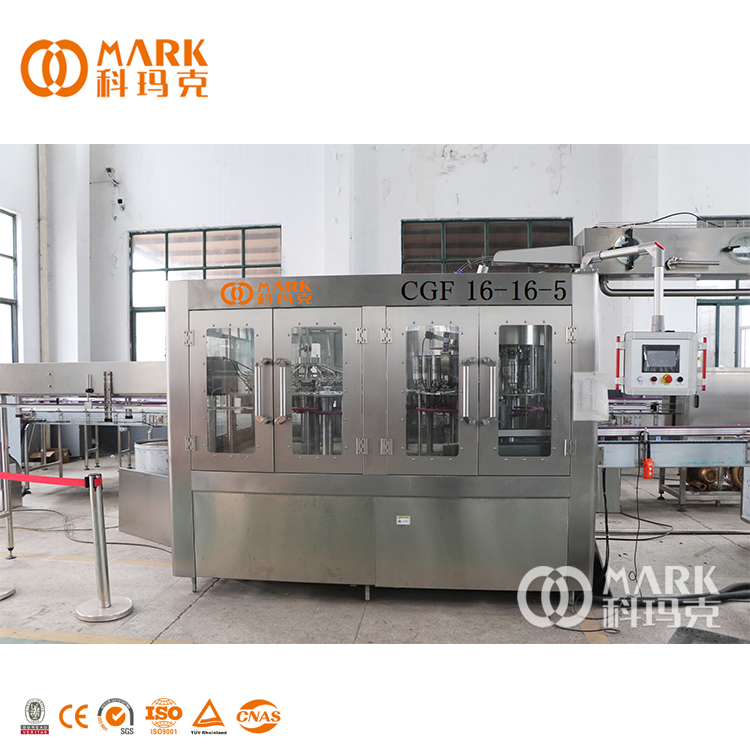
The bottle water production line is a crucial investment for any business looking to establish a new water factory. This turnkey project guide will help you navigate the various considerations involved in selecting and implementing a bottle water production line. Key concerns for B2B buyers include assessing supplier capabilities, understanding project requirements, and identifying potential challenges in the production process. This article aims to equip you with practical insights to make informed decisions, ensuring a successful setup for your water factory.
What to Consider When Choosing a Bottle Water Production Line Supplier
Selecting the right supplier for your bottle water production line is essential for your project's success. Start by evaluating the supplier's experience in the beverage packaging machinery industry, particularly their track record with water production lines. Look for suppliers like Zhangjiagang Comark Machinery Co., LTD., which has a strong RD focus and has served numerous countries.
Next, consider the supplier's manufacturing capabilities. Ask about their production equipment, quality control processes, and certifications relevant to beverage machinery. A supplier that adheres to international quality standards can help assure that your production line will operate efficiently and produce high-quality bottled water.
Additionally, assess their customization capabilities. Each water factory may have unique needs based on target markets and local regulations. A supplier that offers tailored solutions can adapt the production line to meet your specific requirements, enhancing operational efficiency and compliance.
Key Factors for Your Water Factory Project
When planning your water factory project, several key factors need to be addressed. First, define your production capacity requirements. This will influence the type and size of the production line you need. Consider factors like the expected demand for bottled water, distribution logistics, and storage capabilities.
Next, evaluate the materials used in the production line. The choice of materials affects not only the durability and maintenance of the equipment but also the safety and quality of the bottled water. Ensure the materials comply with relevant food safety standards.
Budgeting is another critical aspect. Factor in the costs of equipment, installation, and ongoing maintenance. Don’t forget to include potential expenses for staff training and operational overheads. Understanding the total cost of ownership will help you make a sound financial decision and avoid unexpected expenses down the line.
Comparing Specifications for Different Bottle Water Production Lines
When comparing specifications for various bottle water production machine, focus on critical aspects such as production speed, energy consumption, and automation levels. Production speed is vital for meeting market demand; higher speeds can lead to increased operational efficiency. However, ensure that speed does not compromise the quality of the final product.
Energy consumption is another crucial specification. Efficient machinery can significantly reduce operational costs over time. Inquire about the energy ratings of different models and their impact on long-term expenses.
Automation levels can also vary between production lines. Fully automated systems may offer more consistency and reduced labor costs, but they might require a higher initial investment. Consider your factory's operational model and workforce capabilities when determining the right level of automation.
Common Problems in Water Production and Effective Solutions
Bottled water production can present several challenges that need to be addressed proactively. One common issue is contamination during the production process. To mitigate this risk, implement stringent quality control measures, including regular testing of water sources and thorough cleaning protocols for equipment.
Another frequent concern is equipment downtime caused by maintenance issues. Regular maintenance schedules and the use of high-quality materials can help reduce breakdowns. Consider investing in machinery from a reputable supplier that offers comprehensive support and training for maintenance practices.
Lastly, supply chain disruptions can impact the availability of raw materials and packaging. Establishing reliable relationships with multiple suppliers can provide a buffer against potential shortages. Additionally, consider local sourcing options to minimize logistical challenges.
Bulk Order Considerations for Bottle Water Production Line Equipment
When ordering equipment for your bottle water production process in bulk, several considerations must be addressed to ensure a smooth procurement process. First, confirm the minimum order quantity (MOQ) with your supplier. This can vary significantly between manufacturers and may impact your budget and production plans.
Next, clarify lead times. Understanding the timeframe for equipment delivery is essential for scheduling installation and production ramp-up. Be sure to communicate any specific deadlines or project milestones with your supplier to align expectations.
Consider also the packaging and shipping requirements for your equipment. Ensure that the supplier can accommodate your shipping preferences and that packaging meets the necessary safety standards to prevent damage during transit. Finally, evaluate the warranty and service options provided with bulk orders, as these can vary and are critical for long-term support.
By carefully considering these factors, you can make informed decisions that will contribute to the successful establishment of your bottle water production line and ensure the smooth operation of your new water factory.
Table of Contents
- What to Consider When Choosing a Bottle Water Production Line Supplier
- Key Factors for Your Water Factory Project
- Comparing Specifications for Different Bottle Water Production Lines
- Common Problems in Water Production and Effective Solutions
- Bulk Order Considerations for Bottle Water Production Line Equipment