 EN
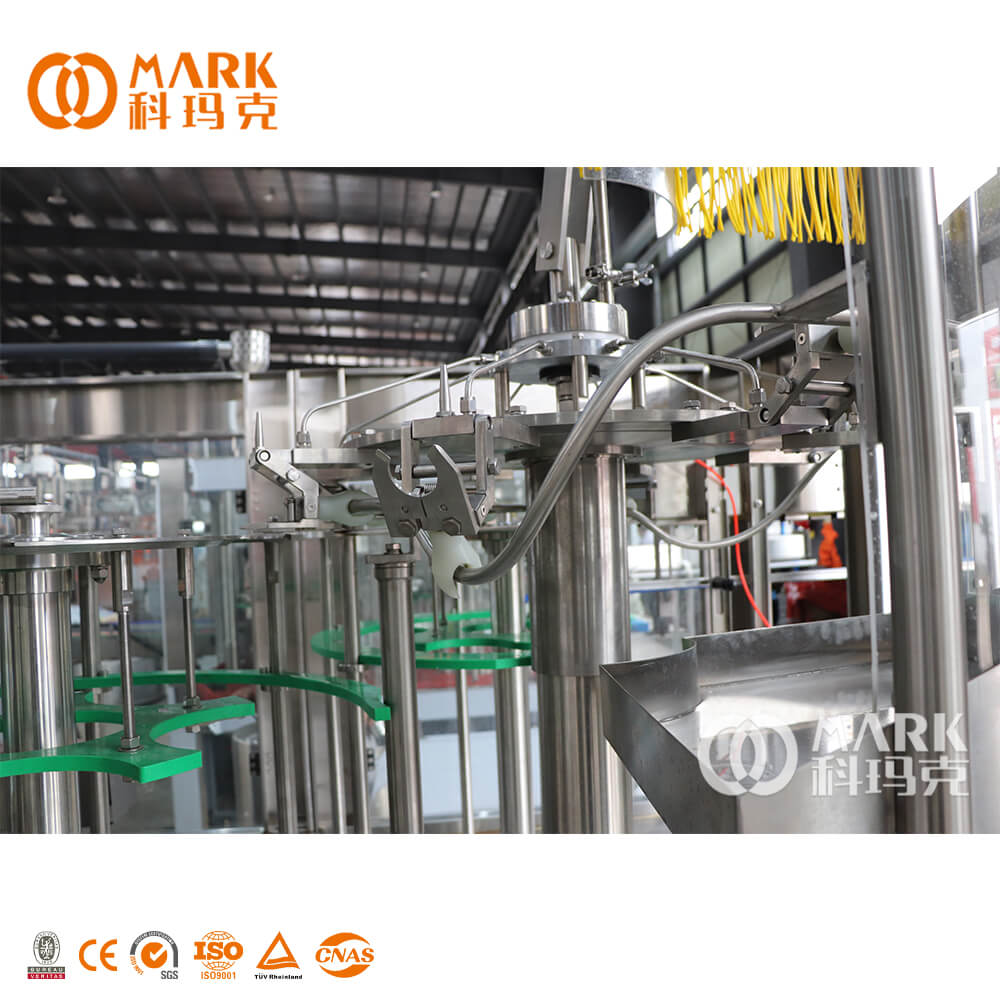
In the quest for clean and pure water, businesses often turn to pure water making machines. These machines are vital in various industries, including beverage, pharmaceuticals, and cosmetics, where water quality is paramount. As a professional in sourcing these machines, understanding the key criteria for selecting reliable pure water making machine manufacturers is crucial. This article will help you navigate the essential specifications, quality evaluation, common issues, applications across industries, and installation guidelines to make informed purchasing decisions.
Key Specifications to Consider for Pure Water Making Machines
When sourcing pure water making machine, several key specifications should guide your decision-making process. Firstly, the purification capacity is critical; it defines how much water can be processed within a specific timeframe. This is often measured in liters per hour (LPH) and should align with your operational needs.
Secondly, consider the type of filtration technology employed. Common methods include reverse osmosis, ultraviolet purification, and activated carbon filtration. Each method has its benefits and limitations, affecting water quality, operational costs, and maintenance requirements. For instance, reverse osmosis is highly effective in removing dissolved solids but may require regular membrane replacement.
Material selection is also crucial; stainless steel is often preferred for components due to its durability and resistance to corrosion. Additionally, ensure that the machine complies with relevant industry standards and certifications, which can vary by region but often include ISO certifications or food safety regulations.
How to Evaluate Quality in Pure Water Making Machines
Evaluating the quality of pure water making machines involves a multi-faceted approach. Start by reviewing the manufacturer's quality control processes. A reputable manufacturer should have stringent testing protocols in place, including performance testing of the final product to ensure it meets specified purification standards.
Inspect the machine's overall construction and component quality. Components such as pumps, filters, and membranes should be sourced from reliable suppliers and should have a proven track record for durability. Pay attention to the warranty terms offered; a longer warranty can indicate confidence in the product's reliability.
Additionally, customer feedback and case studies can provide insights into real-world performance. Engaging with existing customers or seeking testimonials can reveal potential issues or advantages that may not be apparent from specifications alone.
Common Problems with Pure Water Making Machines and Their Solutions
Like any machinery, mineral water making machine can encounter issues that may affect their performance. One common problem is membrane fouling, which can significantly reduce efficiency. This issue often arises from high levels of contaminants in the feed water or inadequate pre-treatment processes. Regular maintenance and periodic cleaning of the membranes can help mitigate this problem.
Another potential issue is inconsistent water quality, which can stem from a variety of factors, including improper calibration of sensors or failure of filtration components. Implementing a robust maintenance schedule, along with regular testing of water quality, can help ensure that the machine operates effectively.
Lastly, mechanical failures, such as pump malfunctions or leaks, can disrupt operations. Ensuring that the manufacturer provides comprehensive support and readily available spare parts can alleviate downtime caused by these failures.
Applications of Pure Water Making Machines in Various Industries
Pure water making machines find applications in diverse industries, each with specific requirements. In the beverage industry, they are essential for producing high-quality water used in soft drinks, juices, and bottled water. The purity of water directly impacts taste and safety, making reliable purification systems vital.
In the pharmaceutical industry, stringent regulations demand ultra-pure water for drug formulation and cleaning processes. Here, reverse osmosis systems combined with deionization are often employed to meet the high purity standards required.
Cosmetic manufacturers also rely on pure water making machines to ensure that formulations remain free from contaminants that could affect product efficacy or safety. The cosmetic industry often requires water with specific mineral content, which can also be tailored through the purification process.
Installation Guidelines for Pure Water Making Machines
Proper installation is crucial for the optimal performance of pure water factory equipment. Begin by ensuring that the installation site meets the required environmental conditions, including temperature and humidity levels, as excessive heat or moisture can affect machine operation.
It’s essential to follow the manufacturer's installation manual closely. Pay particular attention to plumbing requirements; proper water inlet and drainage systems must be installed to prevent contamination. Additionally, ensure that all electrical connections are securely made and comply with local regulations.
Once installed, conduct a system check to verify that all components are functioning correctly. This includes checking for leaks, confirming that valves operate smoothly, and ensuring that the control panel is calibrated for optimal performance. Engaging a professional technician for the installation can minimize potential issues and ensure compliance with safety standards.
In summary, understanding the essential criteria for sourcing pure water making machine manufacturers can significantly impact your operational efficiency and product quality. By focusing on specifications, quality assurance, common challenges, industry applications, and installation best practices, you can make informed decisions that ensure the reliability and effectiveness of your water purification systems.
Table of Contents
- Key Specifications to Consider for Pure Water Making Machines
- How to Evaluate Quality in Pure Water Making Machines
- Common Problems with Pure Water Making Machines and Their Solutions
- Applications of Pure Water Making Machines in Various Industries
- Installation Guidelines for Pure Water Making Machines