 EN
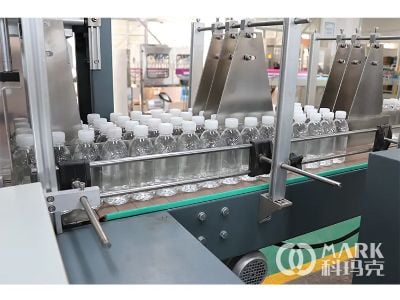
Troubleshooting defects in a bottle water production line is essential to maintaining product quality and operational efficiency. Common bottling defects can lead to significant financial losses, reputational damage, and customer dissatisfaction. This article will address typical issues that arise during the bottling process, provide practical solutions, and outline key specifications necessary for a reliable water bottling line. By understanding these aspects, purchasing managers and distributors can make informed decisions and enhance their quality assurance processes.
How to Troubleshoot Typical Bottling Problems for Quality Assurance?
Common bottling problems may include leaks, inconsistent fill levels, label misalignment, and contamination. To troubleshoot these issues effectively, it's crucial to first identify the root causes. For leaks, check the sealing mechanisms and ensure that the caps are properly applied. Inconsistent fill levels can often be traced back to faulty sensors or variations in bottle dimensions; regular calibration and maintenance of filling machines are essential.
Label misalignment typically occurs due to improper setup of labeling equipment or malfunctioning sensors. Conduct routine checks and ensure that the bottle water filling machine is calibrated according to product specifications. Contamination can stem from inadequate cleaning processes or equipment wear. Implementing stringent sanitation protocols and regular inspections of production equipment can mitigate these risks.
Key Specifications for Ensuring a Reliable Water Bottling Line
When evaluating water bottling lines, several key specifications must be considered to ensure reliability and efficiency. These include:
Filling Speed: Measure in bottles per hour, this affects overall production rates and should match market demand.
Bottle Compatibility: The line should accommodate various bottle sizes and shapes, which may require adjustable or interchangeable components.
Material of Construction: Stainless steel is often preferred due to its durability and resistance to corrosion, particularly in wet environments.
Automation Level: Choose between fully automated, semi-automated, or manual systems based on budget, workforce availability, and desired output.
Quality Control Systems: Incorporate inline inspection systems to monitor fill levels, cap integrity, and label placement in real-time.
Understanding these specifications enables buyers to select a bottling line that aligns with their production needs and quality standards.
Ensuring Quality in Your Bottling Process
Quality assurance in the bottling process involves several layers, from sourcing raw materials to final product inspection. Begin with selecting high-quality bottles and caps that meet industry standards for safety and performance. Ensure that your filling and capping machines are regularly maintained to prevent mechanical failures that could compromise product integrity.
Implementing a robust quality control system is also vital. Regularly test samples from production runs for fill levels, seal integrity, and microbiological safety. It's advisable to track these metrics over time to identify trends or recurring issues. Training staff on quality assurance practices ensures they are equipped to recognize and address potential problems promptly.
Evaluating Bottling Line Solutions for Your Needs
When evaluating bottling line solutions, consider the following factors:
Production Capacity: Analyze your current and projected production needs. Ensure that the selected line can scale as demand increases.
Customization Capabilities: Look for bottle water filling machine suppliers that offer customization options for specific features such as filling mechanisms, labeling systems, and packaging methods to cater to unique product requirements.
Lead Time: Understand the supplier's lead time for production and delivery. This is crucial for planning your inventory and meeting market demands.
Support and Maintenance: Choose suppliers that provide comprehensive technical support and maintenance services post-purchase. This ensures minimal downtime and quick resolutions to any issues.
Engaging with multiple suppliers and requesting detailed quotations based on your specifications will help in making a well-informed decision.
Effective Solutions for Bottling Defects
Addressing common bottling defects requires a proactive approach. Here are effective solutions for typical issues:
For Leaks: Regularly inspect and replace worn seals and caps. Implement a testing phase where filled bottles are checked for leaks before packaging.
For Inconsistent Fill Levels: Consider upgrading to volumetric filling systems that provide higher accuracy. Regular calibration of bottle water production line is also essential.
For Label Misalignment: Use advanced labeling technology that includes sensors to detect misalignment and adjust automatically during production.
For Contamination: Ensure that all equipment is cleaned and sanitized regularly. A well-structured preventive maintenance program can help reduce the risk of contamination.
By taking these measures, you can improve the reliability of your bottling process and enhance overall product quality, ultimately leading to increased customer satisfaction and reduced operational costs.
Effective troubleshooting and understanding of specifications are critical to ensuring a successful water bottling operation. By implementing these strategies, purchasing managers and distributors can enhance their production processes and maintain high-quality standards.