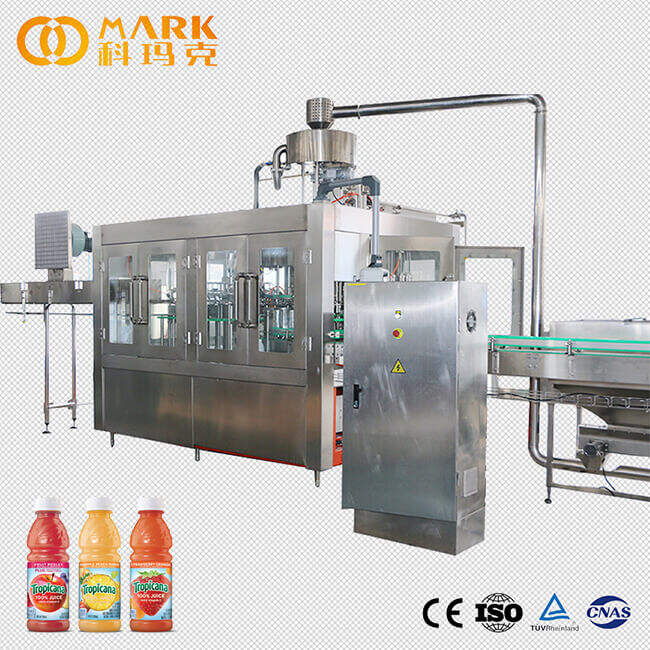
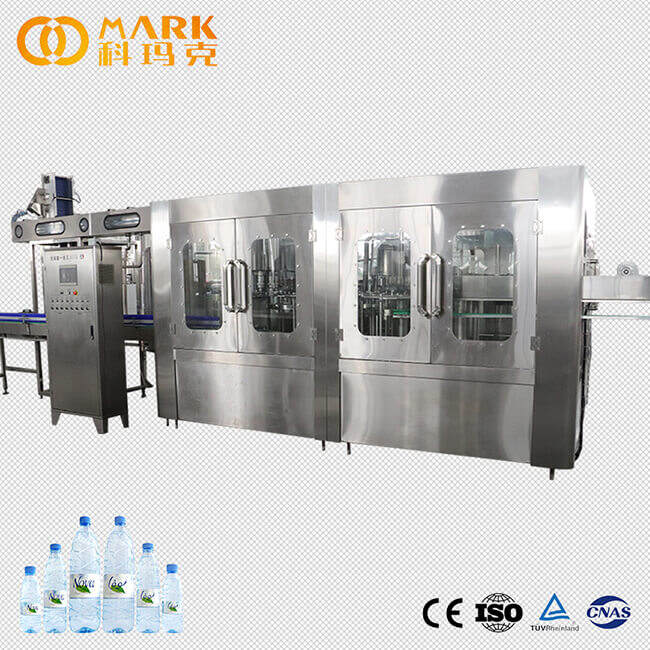
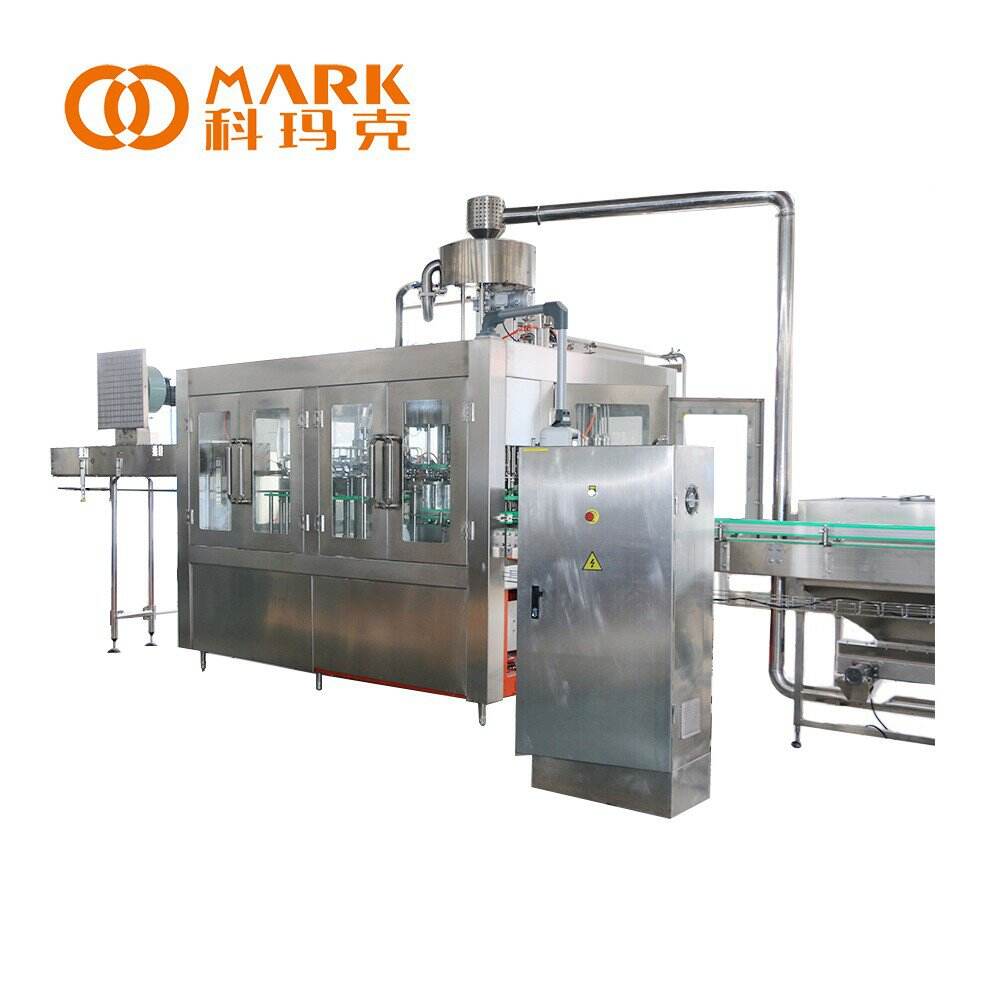
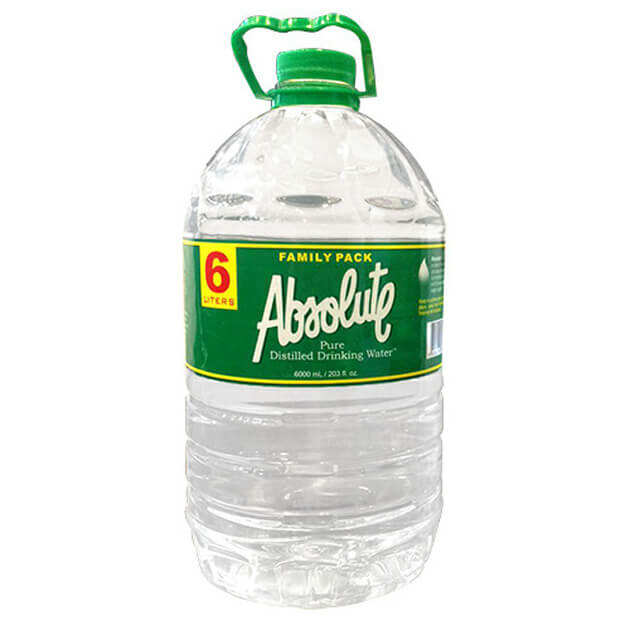
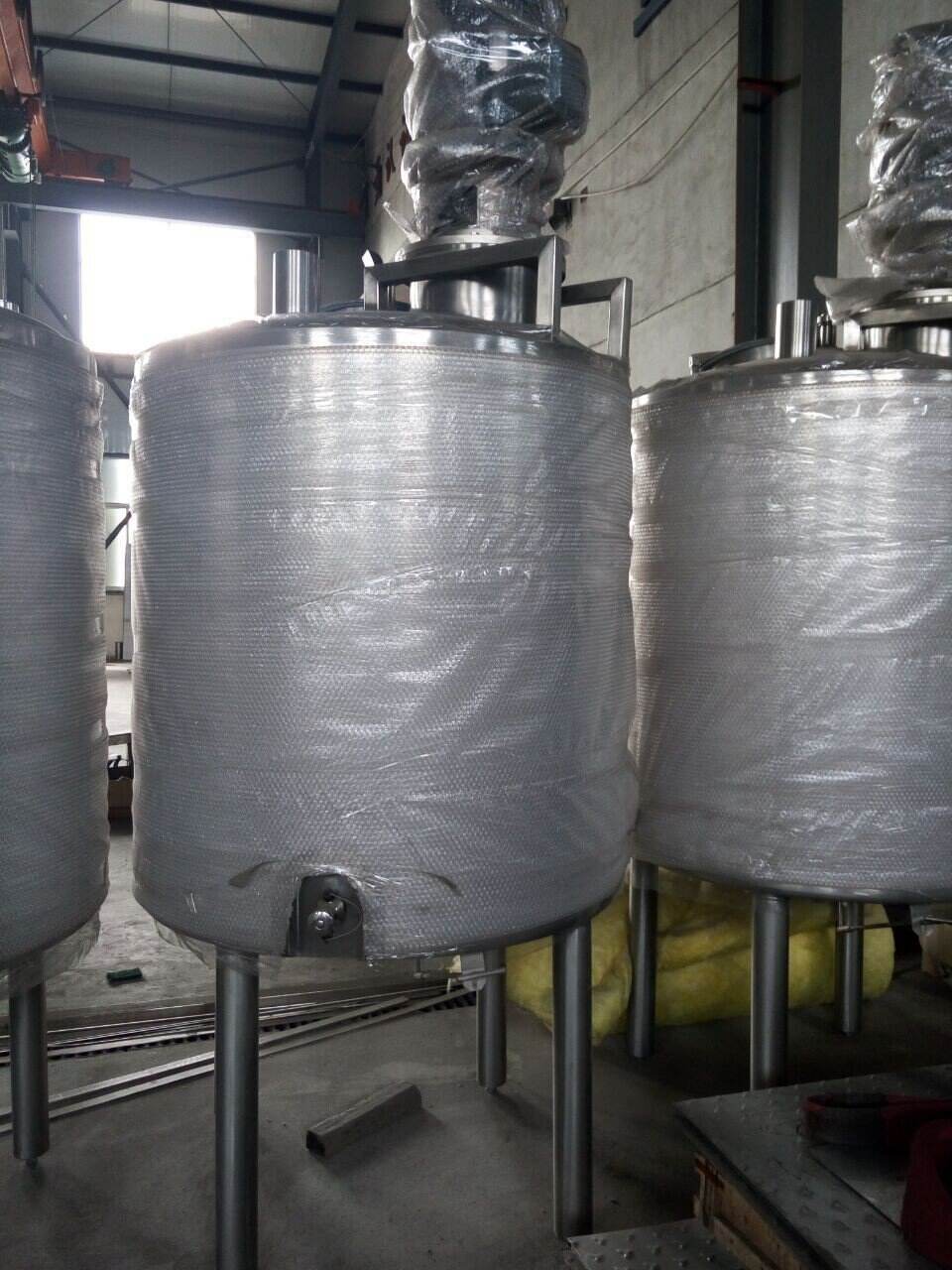
Bottled water is an American fling that many people partake of daily. You can pick up a bottle when you’re thirsty. But have you ever considered how they bottles those water jugs? At Zhangjiagang Comark, we concentrate on producing the machines that make all those water bottles. When you’re at the store and you see a bottle of water, think about all the steps that had to happen to get that product bottled up. There is so much that goes on behind the scenes. From purifying the water, to processing and filling bottles, and capping them with absolute precision… every step matters. Today, we are going to discuss how you get the best equipment for your bottled water business and what all of the key parts are in a high-quality production line.
Selecting the appropriate equipment for your bottled water operation is similar to choosing the best tools for a major construction project. It’s point A: you go to a gym, you do some wood chopping. First of all, consider your goals. How much water do you plan to make every day? If you want to make a lot, you need bigger machines. Zhangjiagang Comark has all different machines which can assist with different size of production, including our Pouch Filling Machine. You’ll also want to see how good those machines are. ”Better quality means they can run longer without getting damaged, which is very important. Keeping the machines running is what keeps your business alive.” Another factor is how user-friendly the equipment may be. If your employees can be taught how to use them easily and quickly, that saves time and money. Also consider how much space you have. You also need to be able to fit the machines in your factory and walk around them. Lastly, don’t forget about maintenance. Some machines are higher maintenance than others. Choose machines that are easy to clean and maintain to ensure your bottled water remains safe for people to drink.
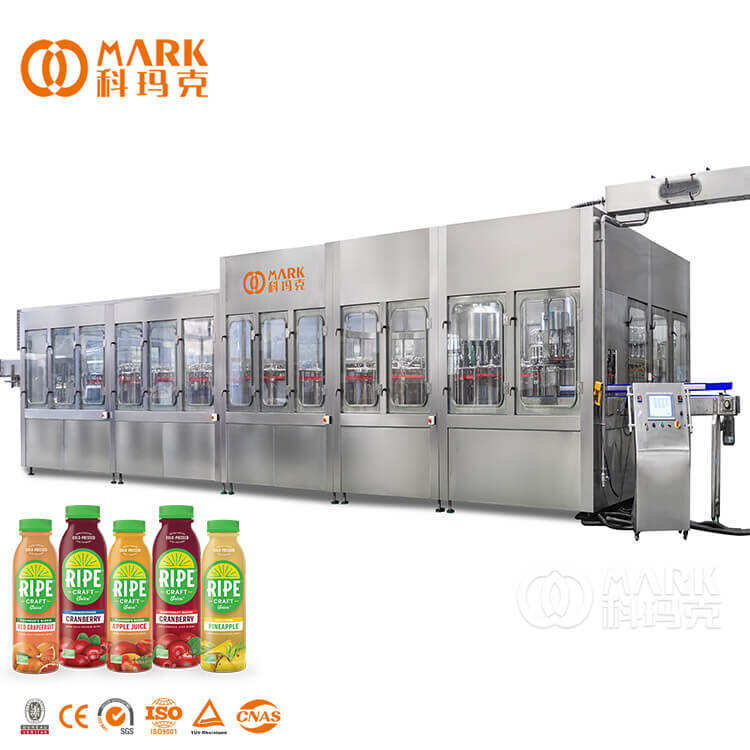
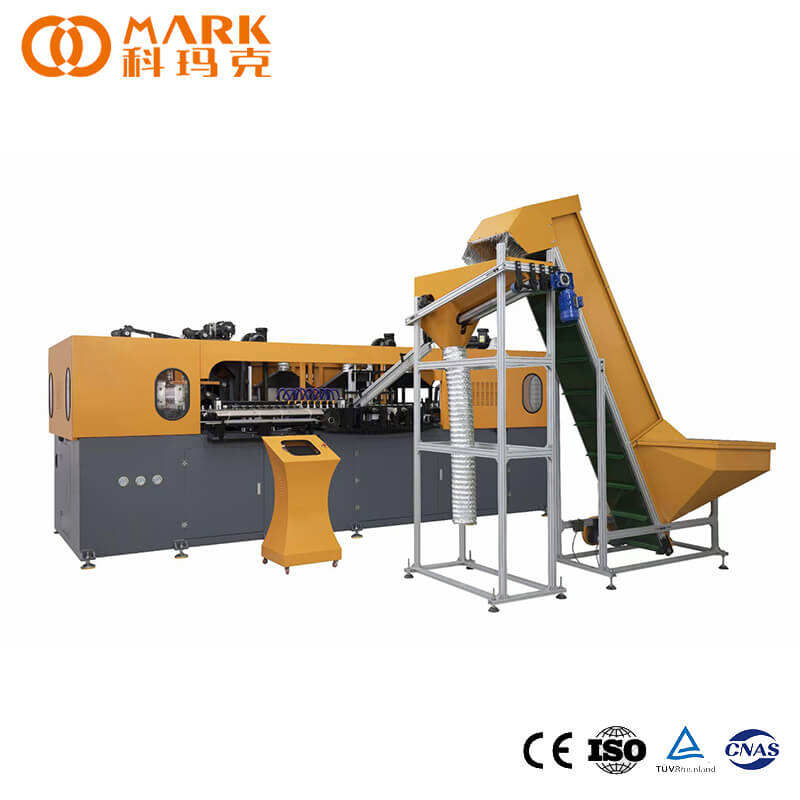
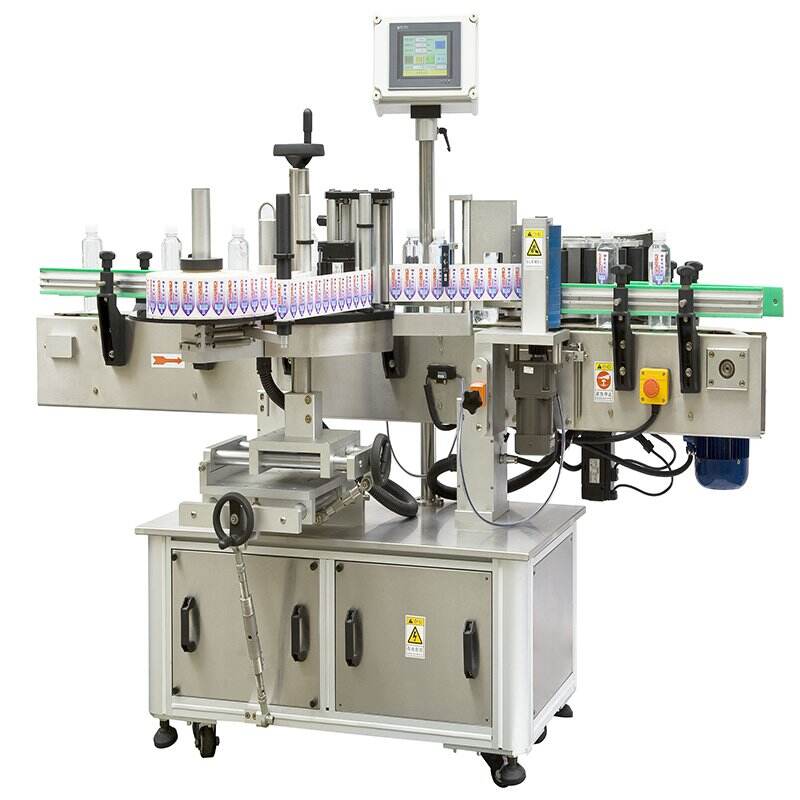
A fine water bottling line is a sum of its parts functioning well altogether. The first is the water treatment system. This is where the water gets cleaned and sanitized. If the water isn’t clean, it can make people sick, so this step is crucial. The filling machines are next. These machines receive the water that has been cleaned and put it into bottles. You can fill a lot of bottles in an hour and it is fast. Following filling, the bottles must be capped. And there is a special capping machine that seals the bottles good and tight so the water stays fresh. Then comes labeling. The label is put on by the labeling machine so that people know what they are drinking. Last but not least, there are the packing machines. These machines group the bottles together, so that they can be sent to stores. At Zhangjiagang Comark these parts are well engineered to ensure that your production line remain smooth and cost effective. And all of these parts operate like a well-oiled machine so you can generate great tasting bottled water that everyone will enjoy.
Bottled water is big business in many parts of the world. When thirsty for water, people are less likely to drink straight from the tap and more likely to reach for a bottle. That’s because bottled water is portable and often refreshing. But there a some specific concerns that can arise in the production of bottled water. First, quality is very important. For companies like Zhangjiagang Comark, when bottled water is produced and sold, they have to guarantee that it’s clean enough to drink. Untreated, it can carry toxic substances that can make people sick. The quality of the bottles is also important to inspect. Occasionally, the plastic used can contain chemicals that are also bad for health.
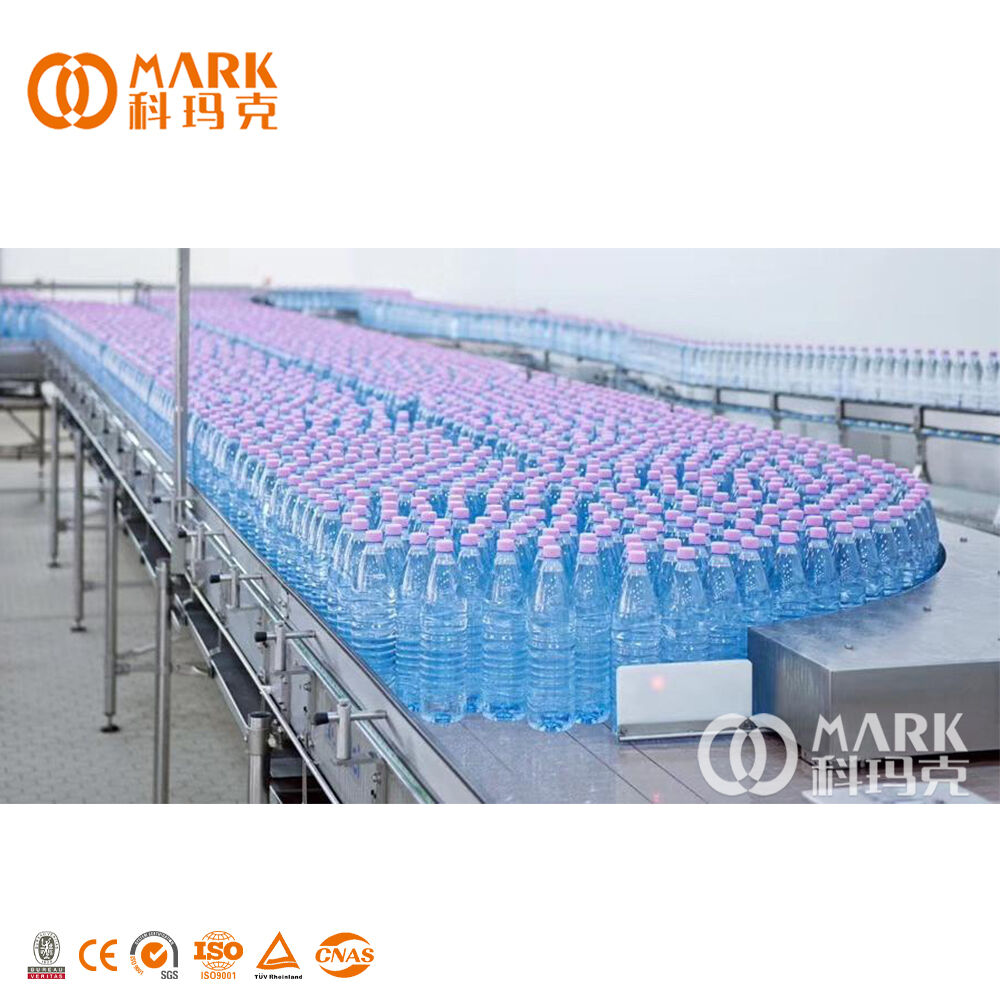
Another issue is waste. A lot of bottled water comes in plastics. The reason why we don’t see more water containers, however, is that after people are done drinking the water inside them, they usually throw the bottles away — which just creates more rubbish in our world. What companies need to think about is how to reduce that waste. They can help in one way and that is by using recyclable products for their bottles. That means the bottles — instead of being tossed away — can be turned into new products. Companies also need to educate people about recycling their bottles correctly. Water production needs to be more than about being profitable, it should also be in the best interest of our planet.
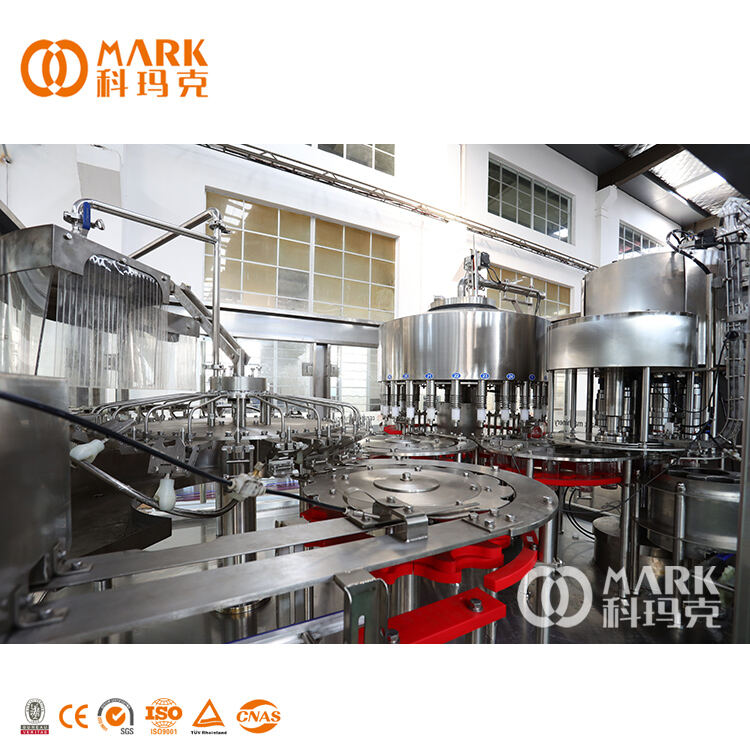
Also interesting is the tendency towards automation in the line. How Machines Can Solve Prochaska’s Rules Plenty of tasks can now be handled by machines, from filling bottles to capping them. This speeds up the process and leads to smaller likelihood of human mistakes. Smart technology can help companies keep an eye on the production line and identify problems. If anything goes wrong, it can be remedied swiftly. This is time (and money) saving. Zhangjiagang Comark is responding to these changes the increase effective and process production more smoothly.
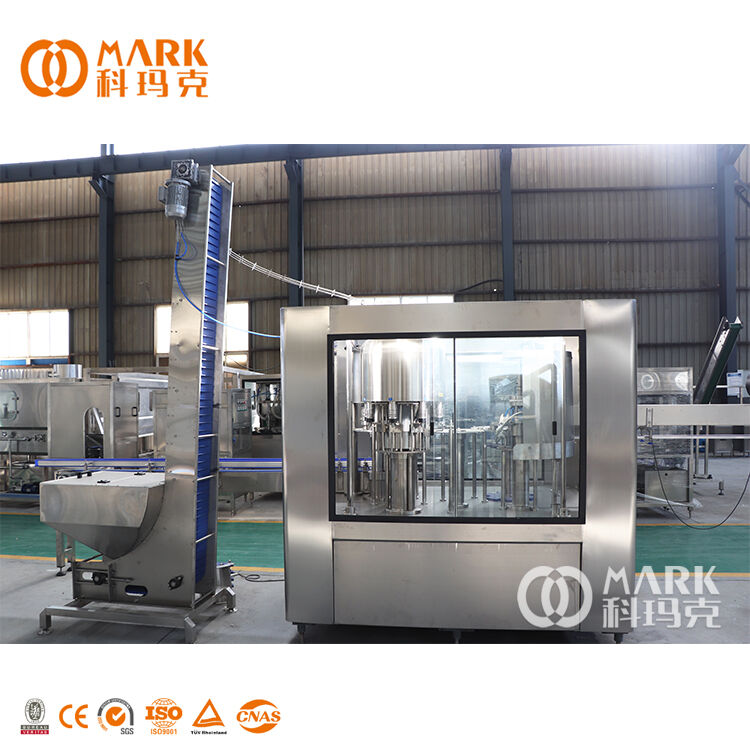
When companies discuss the production lines of their bottled water, one's interested in knowing if they are likely to be sufficient for both fairly small needs and relatively large ones. A good line should be flexible and efficient. And for some smaller companies they may not have to make thousands of bottles per day. Or they may just want to do a few hundred bottles at one time. The perfect line for them would be simple to work and compact. Machines which can easily be regulated to different sizes or shapes of bottles are also very advantageous. Companies like Zhangjiagang Comark are designing machinery that can change over quickly, something small producers can do to serve their customers.
 EN
EN