 EN

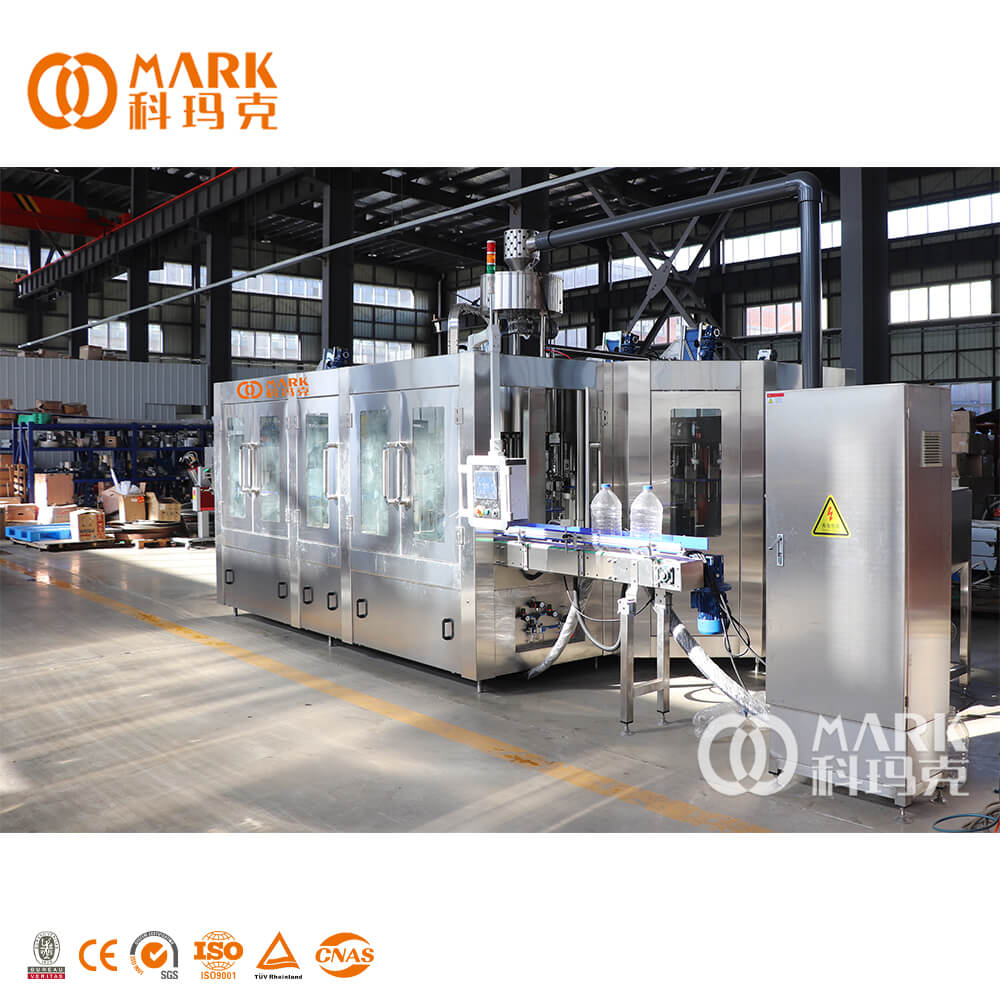
When considering the establishment of a small scale bottle water production line, comprehensive understanding of its costs and potential return on investment (ROI) is crucial. This article focuses on the Small Scale Bottle Water Production Line: Cost & ROI Analysis, addressing key buyer concerns such as product specifications, installation guidance, and cost factors. By exploring these topics, we aim to equip purchasing managers, distributors, and engineers with the necessary insights to make informed decisions regarding their investments in beverage packaging machinery.
What to Consider When Choosing a Small Scale Bottle Water Production Line
Selecting the right small scale bottle water production line involves several critical considerations. First and foremost, define your production capacity needs. This will depend on the volume of water you plan to produce daily. Typically, small scale systems can range from 500 to 5,000 bottles per hour. Understanding your target output will help narrow down your options.
Next, consider the type of equipment required. A complete production line may include bottle blowing machines, filling machines, capping machines, and labeling machines. Each machine's compatibility with your desired bottle size and material is essential; for example, PET bottles may require specific handling equipment.
Additionally, evaluate the technology level of the machinery. Automated systems can enhance efficiency but may come with higher upfront costs. Conversely, semi-automated lines can be more budget-friendly but require more manual intervention. Finally, look into the supplier's reputation and service support, including installation and maintenance, to ensure long-term operational success.
Key Technical Specifications for Small Scale Water Production Equipment
When analyzing technical specifications for small scale water production lines, focus on the following aspects:
Production Capacity: Assess how many bottles per hour the line can produce. This figure should align with your business objectives.
Machine Dimensions: Ensure the equipment fits your existing space. Space constraints can limit the types of machinery you can utilize.
Power Consumption: Check the energy requirements of each machine. Higher power consumption can lead to increased operational costs.
Material Compatibility: Confirm that the machinery can handle the specific materials used in your bottles and caps. For example, a line may need adjustments if switching between PET and glass bottles.
Automation Level: Decide between fully automated or semi-automated systems based on your workforce capabilities and budget. Automation can significantly reduce labor costs and increase productivity.
By reviewing these specifications carefully, you can select equipment that meets both your production goals and budget constraints.
Evaluating Cost Factors in Small Scale Bottle Water Production Lines
The costs associated with setting up a small scale bottled water production line can vary significantly based on several factors. Initial capital investment includes machinery costs, installation, and any necessary modifications to your facility. Here are key cost components to consider:
Machinery Costs: Depending on the type and automation level of the machines, prices can range from a few thousand to hundreds of thousands of dollars. It’s essential to evaluate not only initial costs but also the total cost of ownership, which includes maintenance and operational expenses.
Installation Costs: These can vary based on the complexity of the system and the level of customization required. Some suppliers offer installation as part of the package, while others may charge separately.
Operational Costs: Factor in electricity, water, and labor costs. Automated systems often reduce labor costs but may come with increased energy consumption.
Maintenance Costs: Regular maintenance is critical to ensure the longevity of the machinery. Determine if the supplier offers ongoing support or if you'll need to budget for third-party services.
Costs of Compliance: Depending on your location, there may be regulations regarding water bottling that necessitate additional investments in quality control and certification processes.
A thorough analysis of these cost factors will help you estimate the total investment required and evaluate the potential ROI.
Comparing Different Models of Small Scale Bottle Water Production Lines
When comparing different models of small scale bottle water production lines, it's vital to focus on functionality, efficiency, and scalability. Here are some aspects to consider:
Production Output: Compare the hourly output of different models to ensure they meet your target production needs.
Flexibility: Look for models that allow for easy changeovers between different bottle sizes and types. This flexibility can be crucial if you plan to diversify your product line.
Energy Efficiency: Evaluate energy consumption ratings. More energy-efficient models may have a higher upfront cost but can offer savings in the long run.
Technology Features: Investigate advanced features such as touch screen controls, remote monitoring, and integration with inventory management systems.
Warranty and Support: Check the warranty terms and the level of customer support provided. A robust support package can save you time and money in the event of equipment failure.
By systematically comparing these factors, you can identify the model that best aligns with your business objectives and operational requirements.
Installation Guidance for Small Scale Bottle Water Production Systems
Successful installation of a small scale bottle water production system requires careful planning and execution. Here are key steps to ensure a smooth installation process:
Site Preparation: Before installation, ensure that your facility meets the necessary requirements, including space, electrical supply, and water connections. Accurate measurements of the installation area are crucial to avoid layout issues.
Supplier Coordination: Work closely with your supplier to develop an installation timeline. This will help coordinate equipment delivery, setup, and any necessary operator training.
Training Programs: Ensure that your staff receives proper training on operating an maintaining the new machines. This will minimize downtime and enhance operational efficiency.
Testing and Quality Checks: After installation, conduct thorough testing to ensure that all components are functioning correctly. This step is critical to identify any potential issues before mass production begins.
Documentation: Keep detailed records of the installation process, including any modifications made. This documentation can be beneficial for future maintenance or troubleshooting.
Adhering to these guidelines will help you optimize the installation of your small scale bottle water production line, ensuring a successful start to your operations.
Investing in a small scale complete bottled water production lines involves careful consideration of various factors, from equipment selection to installation. By thoroughly evaluating the costs, technical specifications, and supplier capabilities, you can make informed decisions that align with your business goals.
Table of Contents
- What to Consider When Choosing a Small Scale Bottle Water Production Line
- Key Technical Specifications for Small Scale Water Production Equipment
- Evaluating Cost Factors in Small Scale Bottle Water Production Lines
- Comparing Different Models of Small Scale Bottle Water Production Lines
- Installation Guidance for Small Scale Bottle Water Production Systems