 EN

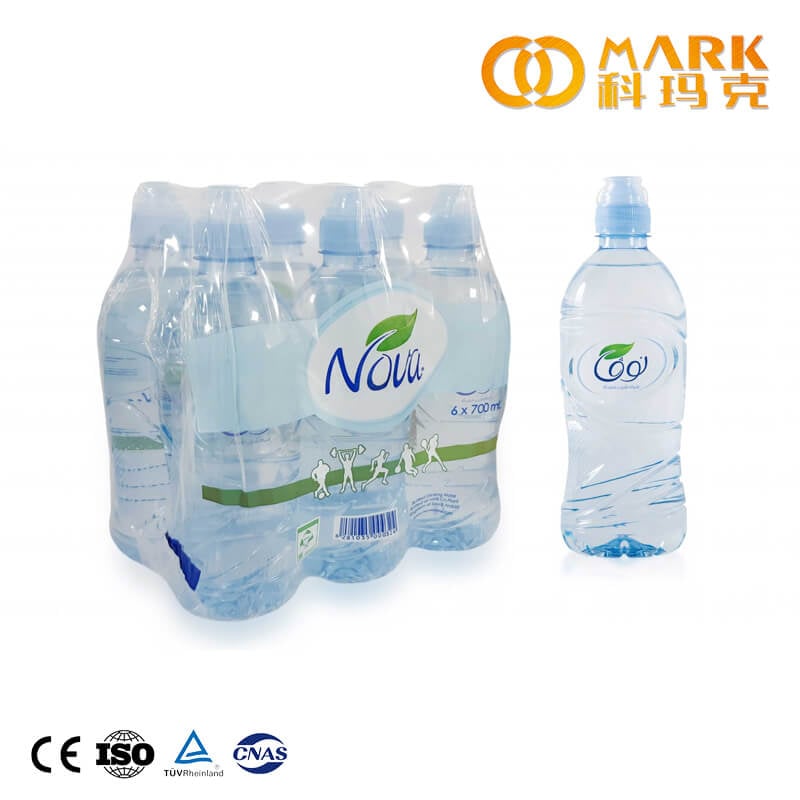
The core components of pure water factory equipment for drinking water production are essential for ensuring that the final product meets health and safety standards. For purchasing managers and engineers in this industry, understanding these components is crucial for making informed decisions. This article will guide you through evaluating equipment quality, understanding technical specifications, identifying reliable suppliers, installation guidance, and cost factors to consider when investing in water treatment equipment.
How to Evaluate the Quality of Drinking Water Production Equipment
When evaluating the quality of drinking water production machine, several key factors come into play. First, consider the materials used in the construction of the equipment. Stainless steel and high-grade plastics are commonly used due to their resistance to corrosion and ease of cleaning. Ensure that the materials meet industry standards for health and safety.
Next, assess the manufacturer's quality control processes. Reputable manufacturers, such as Zhangjiagang Comark Machinery Co., Ltd., often have stringent quality assurance protocols in place. Look for certifications that indicate compliance with international standards, such as ISO 9001. This can provide confidence in the reliability and performance of the equipment.
Additionally, experience with similar applications is a key indicator of quality. A manufacturer that has supplied equipment to various industries, including beverages and pharmaceuticals, is likely to have a better understanding of the specific requirements for drinking water production. Request case studies or references from past clients to further validate the manufacturer's capabilities.
Understanding Technical Specifications for Pure Water Systems
Understanding the technical specifications of pure water systems is crucial for ensuring the equipment meets operational needs. Key specifications include flow rate, filtration type, and system capacity. The flow rate, measured in liters per hour, determines how much water can be processed and should align with your production requirements.
Filtration types vary widely, including reverse osmosis, ultrafiltration, and activated carbon filters, each serving different purposes. Reverse osmosis is critical for removing dissolved solids and contaminants, while ultrafiltration is effective for larger particles. The choice of filtration will depend on the quality of the source water and the desired purity level.
System capacity is also a significant consideration. It is essential to match the equipment's capacity with expected demand to avoid bottlenecks in production. Additionally, consider any customization options that may be necessary to accommodate specific operational requirements.
Where to Find Reliable Suppliers for Water Factory Equipment
Finding reliable suppliers for pure water factory equipment involves thorough research and evaluation. Start by seeking recommendations from industry peers and attending trade shows where manufacturers showcase their latest technologies. This provides an opportunity to interact with suppliers directly and assess their offerings.
Online platforms, such as industry-specific directories and trade websites, can also be valuable resources. Look for suppliers with a proven track record in the industry and positive customer reviews. It’s important to evaluate their experience, particularly in manufacturing drinking water production equipment.
Another effective strategy is to request quotes from multiple suppliers. This not only provides insight into pricing but also allows for comparison of technical specifications and customer support services. Ensure you inquire about after-sales service, warranty conditions, and support for installation and maintenance.
Installation Guidance for Efficient Water Treatment Equipment
Proper installation of water treatment equipment is crucial for operational efficiency and longevity. Begin by reviewing the manufacturer's installation guidelines, as these will provide specific requirements based on the equipment's design and intended use.
Consider the site conditions where the equipment will be installed. Ensure that there is adequate space, access to utilities, and proper drainage. During installation, it is advisable to involve qualified technicians who are familiar with the equipment. This reduces the risk of errors and ensures compliance with safety standards.
Once installed, conduct thorough testing of the system to confirm that it operates as expected. Monitor parameters such as pressure, flow rate, and water quality to identify any potential issues early in the operation. Regular maintenance checks post-installation are essential for sustaining equipment performance and preventing downtime.
Cost Factors to Consider for Pure Water Factory Equipment Purchases
Several cost factors should be taken into account when purchasing pure water making machine. First, consider the initial purchase price, which can vary significantly based on the complexity and capacity of the system. However, the lowest upfront cost may not always represent the best value in the long run.
Operational costs are another crucial factor. Analyze energy consumption, maintenance requirements, and replacement parts to get a complete picture of long-term expenses. Equipment that is more energy-efficient may have a higher initial cost but can lead to significant savings over time.
Additionally, consider the potential costs associated with downtime. Investing in high-quality equipment from a reputable supplier can minimize the risk of breakdowns and interruptions in production. It’s beneficial to evaluate the total cost of ownership rather than focusing solely on the purchase price, ensuring that the chosen equipment aligns with both budget and production goals.
By understanding these aspects of pure water factory equipment, B2B buyers can make more informed purchasing decisions that align with their operational needs and quality standards.
Table of Contents
- How to Evaluate the Quality of Drinking Water Production Equipment
- Understanding Technical Specifications for Pure Water Systems
- Where to Find Reliable Suppliers for Water Factory Equipment
- Installation Guidance for Efficient Water Treatment Equipment
- Cost Factors to Consider for Pure Water Factory Equipment Purchases