 EN

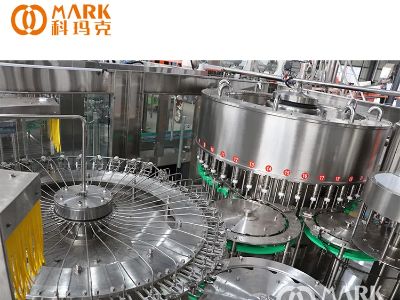
Bottled water packaging machines are essential for modern beverage production, streamlining the packaging process and significantly reducing manual packaging costs. For purchasing managers and distributors in the beverage industry, understanding how these machines operate and their impact on operational efficiency is crucial. This article will explore the various ways a bottle blowing machine can lower labor expenses, the key specifications to consider, comparisons to optimize cost savings, quality standards, and solutions to common manual packaging challenges.
How Bottled Water Packaging Machines Reduce Labor Costs Effectively
Bottled water packaging machines automate various stages of the packaging process, from filling to capping and labeling. This automation minimizes the need for manual labor, which can be a significant cost in production. By employing these machines, manufacturers can reduce the workforce required for packaging tasks, leading to lower labor costs.
For example, a fully automated bottled water packaging machine can handle hundreds of bottles per minute, drastically increasing throughput compared to manual operations. This high-speed operation not only saves on labor costs but also enhances consistency and reduces human error, leading to more reliable production output. Additionally, the initial investment in machinery can often be recouped through the savings achieved in labor costs within a relatively short period.
Key Specifications for Efficient Bottled Water Packaging Solutions
When evaluating bottled water packaging machines, several key specifications should be considered to ensure efficiency and effectiveness. These include:
Filling Speed: Measured in bottles per minute (BPM), the filling speed directly affects productivity. Higher BPM rates can lead to reduced labor costs as fewer machines are needed to meet production targets.
Filling Accuracy: This specification indicates how precisely the machine fills each bottle, which is vital for maintaining product quality and minimizing waste. A filling accuracy of ±1% is generally acceptable in the industry.
Machine Compatibility: Ensure that the packaging machine is compatible with the size and shape of the bottles used. Adjustability for different bottle sizes can enhance flexibility in production.
Control System: An intuitive control system allows operators to easily manage settings and monitor performance, reducing the likelihood of errors or downtime.
Energy Efficiency: Machines with energy-efficient designs can lower operational costs over time, making them a more sustainable choice.
Understanding these specifications helps buyers choose the right machine that meets their production needs while keeping costs manageable.
Compare Bottled Water Packaging Machines for Optimal Cost Savings
When selecting a bottled water packaging machine, comparing different models based on their specifications and operational costs is essential. Key factors to consider include:
Initial Cost vs. Long-Term Savings: While a lower-priced machine may be tempting, it’s essential to evaluate the total cost of ownership, including maintenance, energy consumption, and labor savings.
Production Capacity: Assess whether the machine's capacity aligns with production demands. A machine that cannot handle peak production loads may lead to increased operational costs due to overtime labor.
Maintenance Requirements: Machines that require frequent maintenance or have high downtime can negate savings. Investing in a bottled machine water with a solid reputation for reliability can lead to significant long-term cost savings.
Customization Options: Machines that can be tailored to specific production needs can offer greater efficiency and adaptability, which may lead to cost savings.
Supplier Support: Consider the level of service and support provided by the manufacturer. Good after-sales support can minimize downtime and enhance productivity.
By carefully comparing these factors, buyers can identify a machine that not only meets their immediate needs but also contributes to long-term cost savings.
Understanding the Quality Standards of Bottled Water Packaging Equipment
Quality standards are critical when selecting bottled water packaging machinery. Adherence to industry standards ensures that the equipment operates safely and effectively, producing high-quality packaged products. Key standards to consider include:
ISO Certification: Look for machines manufactured by companies holding ISO certifications, which indicate adherence to international quality management systems.
Material Safety: Ensure that the materials used in the machine are compliant with food safety regulations, such as FDA approvals for components that come into direct contact with beverages.
Performance Testing: Machines should undergo rigorous testing to ensure they meet performance specifications under typical operating conditions. This includes testing for filling accuracy, speed, and durability.
User Documentation: Comprehensive user manuals and operating guidelines are essential for maintaining quality control during production.
By verifying that the equipment meets these quality standards, buyers can ensure reliability and safety in their packaging processes.
Common Problems in Manual Packaging and Their Solutions with Machinery
Manual packaging processes often lead to various challenges that can be mitigated through the use of automated machinery. Common problems include:
Inconsistent Filling: Manual filling can result in variability in bottle content, leading to customer complaints and increased waste. Automation ensures consistent filling levels, improving product quality.
Labor Shortages: Relying on manual labor can lead to inefficiencies, especially during peak production times. Packaging machines can operate continuously, reducing the impact of labor shortages.
Increased Labor Costs: As labor rates rise, manual packaging becomes less feasible financially. Automating the process can significantly reduce these costs.
Quality Control Issues: Manual operations may overlook quality checks, leading to defective products reaching the market. Automated bottled water machinery can incorporate in-line quality control systems to catch errors before they escalate.
Health and Safety Risks: Manual packaging can expose workers to repetitive strain injuries or accidents. Automation not only enhances safety but also reduces the risk of workplace injuries.
By addressing these common problems through the adoption of bottled water packaging machines, manufacturers can enhance operational efficiency and product quality while reducing labor costs.
investing in bottled water packaging machines offers significant advantages for manufacturers looking to streamline their operations and cut costs. Understanding the specifications, comparing options, ensuring quality standards, and recognizing the limitations of manual processes are essential steps for any purchasing manager or distributor in the beverage industry.
Table of Contents
- How Bottled Water Packaging Machines Reduce Labor Costs Effectively
- Key Specifications for Efficient Bottled Water Packaging Solutions
- Compare Bottled Water Packaging Machines for Optimal Cost Savings
- Understanding the Quality Standards of Bottled Water Packaging Equipment
- Common Problems in Manual Packaging and Their Solutions with Machinery