 EN

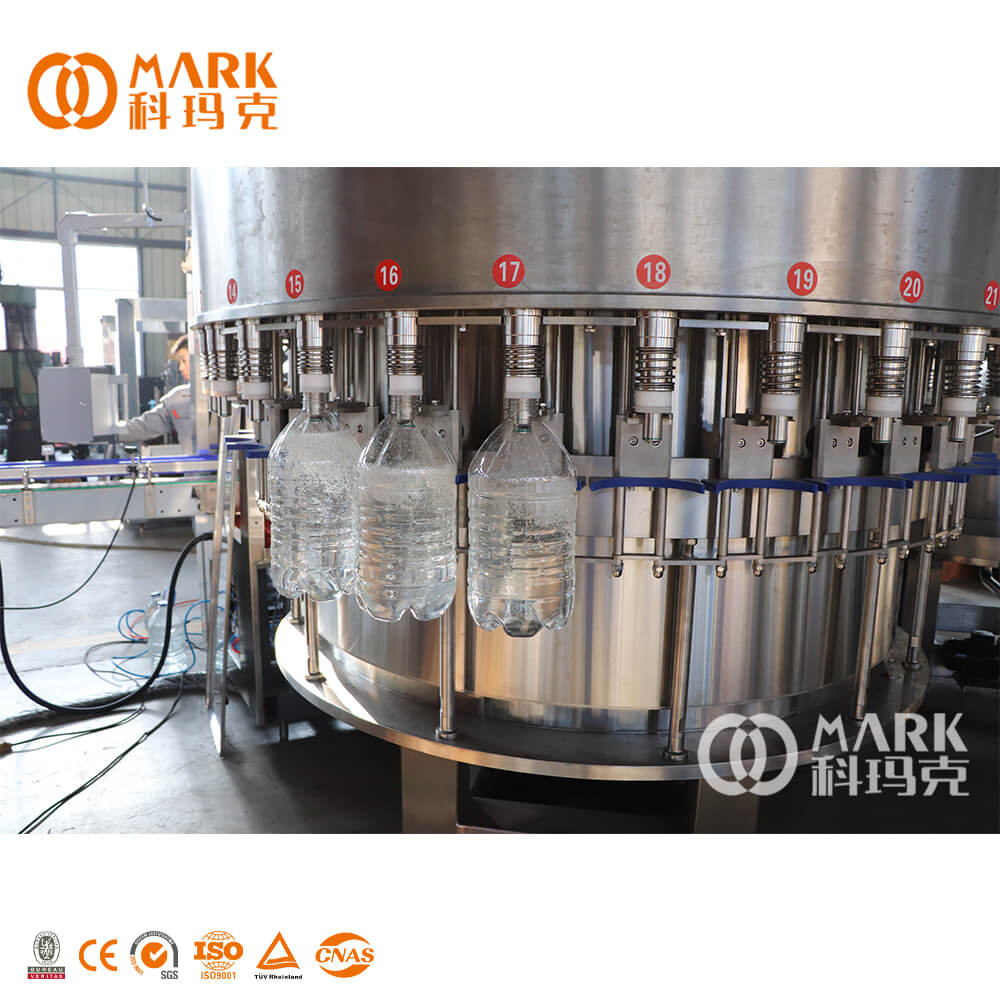
Choosing the right bottle water production line based on BPH (bottles per hour) capacity is crucial for businesses looking to optimize production efficiency and meet market demand. This decision impacts everything from manufacturing costs to operational workflows. We will explore how to select the appropriate BPH capacity for your bottle water line, address common installation challenges, discuss quality control measures, delve into material advantages, and provide application scenarios for different BPH capacities.
How to Choose the Right BPH Capacity for Your Bottle Water Line
Selecting the right BPH capacity is primarily influenced by your production goals, market demands, and available space. Begin by analyzing your average daily output requirements. This figure will help you determine the necessary BPH capacity. For example, if your goal is to produce 12,000 bottles in an 8-hour shift, you would need a production line capable of handling at least 1,500 BPH.
When assessing BPH options, consider the following factors:
Market Demand: Understanding seasonal fluctuations and peak demand periods can help you choose a BPH capacity that aligns with your production needs.
Production Equipment: Different machinery models offer varied BPH capacities. Ensure that the bottle water production line you choose are well-suited for your production goals.
Space Constraints: A higher BPH capacity may require more space for equipment and workflow. Assess your facility layout to ensure it can accommodate the chosen line.
Consulting with manufacturers, like Zhangjiagang Comark Machinery Co., LTD., can provide further insights into the specifications and capabilities of different production lines.
Common Installation Challenges for Bottle Water Production Lines and Solutions
Installing a bottle water production line can present several challenges that impact operational efficiency. Here are some common issues and their respective solutions:
Space Limitations: Ensuring that machinery fits within your facility can be tricky. Conduct a thorough layout analysis before installation. Consider modular designs that can be adjusted based on space availability.
Alignment Issues: Misalignment during installation can lead to inefficiencies. Utilize laser alignment tools to ensure that all components are correctly positioned, reducing downtime and maintenance costs.
Utility Connections: Inadequate power supply or water connections can hinder production. Collaborate with your facility's engineering team to ensure that all utility connections meet the requirements of the machinery.
By anticipating these challenges and implementing solutions during the planning phase, businesses can minimize disruptions and ensure a smoother installation process.
Quality Control Measures in Bottle Water Production Line Manufacturing
Quality control is essential in maintaining the integrity of bottled water products. Implementing robust quality control measures throughout the production process can help ensure that the final product meets regulatory and consumer standards. Here are key measures to consider:
Raw Material Inspection: Conduct thorough inspections of all incoming raw materials, such as bottles and caps, to ensure they meet specified quality standards. This should include checking for physical defects and verifying supplier certifications.
In-Process Monitoring: Utilize automated bottle water filling machine to monitor production parameters, such as fill levels and bottle integrity. This real-time data allows for immediate corrections if deviations from standards occur.
Final Product Testing: Perform tests on finished products to assess factors such as clarity, taste, and microbiological safety. Regularly sampling products for quality checks can identify potential issues before they reach consumers.
Implementing these quality control measures not only ensures compliance with industry standards but also builds trust with consumers and strengthens brand reputation.
Understanding Material Advantages in Bottle Water Production Equipment
The materials used in bottle water production equipment play a significant role in the overall quality and efficiency of the manufacturing process. Here are some material considerations:
Corrosion Resistance: Stainless steel is often preferred for critical components due to its resistance to corrosion and ease of maintenance. It is essential for ensuring hygiene in the production process.
Lightweight Plastics: For certain parts of the production line, lightweight and durable plastics may be used. These materials can reduce overall machinery weight, leading to energy savings.
Food Safety Compliance: Ensure that all materials used in the production line comply with food safety standards. This includes using BPA-free plastics and ensuring that surfaces are easy to clean.
Understanding these material advantages can guide decisions on equipment selection and maintenance, ultimately affecting production efficiency and product quality.
Application Scenarios for Different BPH Capacities in Water Production
Different BPH capacities can cater to various production scenarios, allowing businesses to align their operations with market needs. Here are some application scenarios:
High-Demand Markets: For businesses targeting high-demand regions or events, such as festivals or sports events, a production line with a higher BPH capacity (e. g., 2,000-3,000 BPH) may be necessary to meet sudden spikes in demand.
Small to Medium Enterprises: Smaller businesses might opt for lines with lower capacities (e. g., 500-1,000 BPH) that allow for flexibility and customization in production, catering to niche markets or unique product offerings.
Export Requirements: Companies looking to export bottled water may need to consider BPH capacities that align with shipping schedules and regional demand. This may influence the choice of production line based on logistical considerations.
By understanding the specific application scenarios for different BPH capacities, businesses can better prepare their production lines for optimal efficiency and market responsiveness.
Choosing the right bottle water production line based on BPH capacity is a multifaceted decision that involves careful consideration of production goals, installation challenges, quality control, material advantages, and application scenarios. By leveraging insights from experienced manufacturers like Zhangjiagang Comark Machinery Co., LTD., businesses can make informed decisions that enhance their operational efficiency and product quality in the bottled water market.
Table of Contents
- How to Choose the Right BPH Capacity for Your Bottle Water Line
- Common Installation Challenges for Bottle Water Production Lines and Solutions
- Quality Control Measures in Bottle Water Production Line Manufacturing
- Understanding Material Advantages in Bottle Water Production Equipment
- Application Scenarios for Different BPH Capacities in Water Production