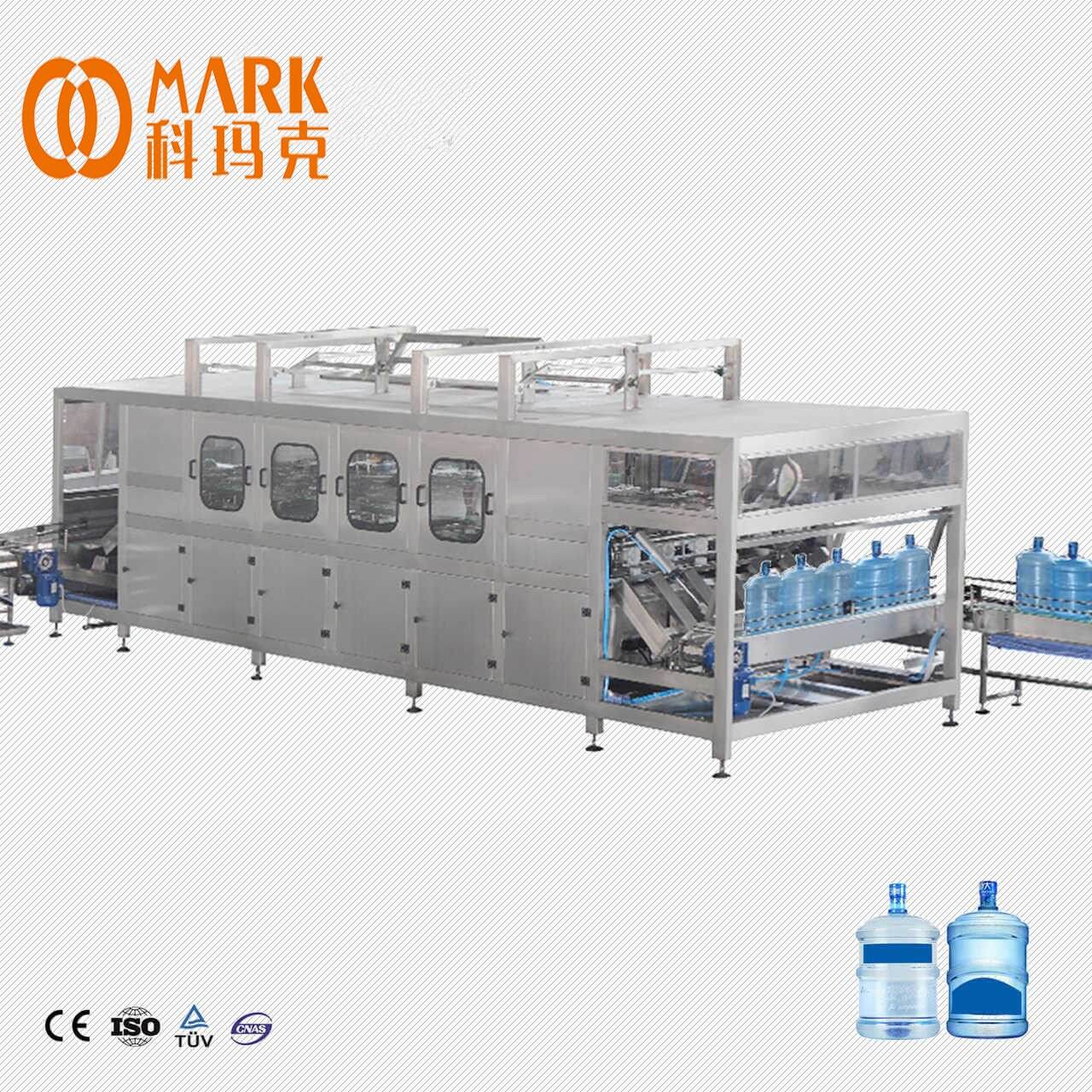
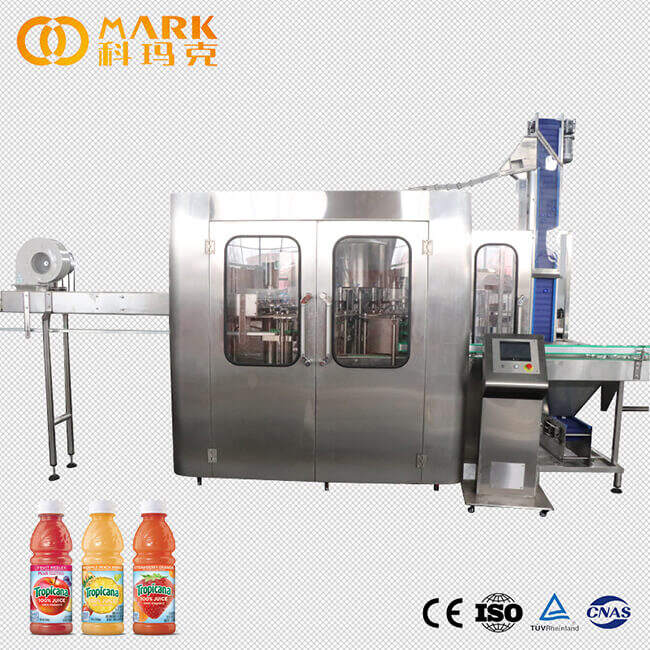
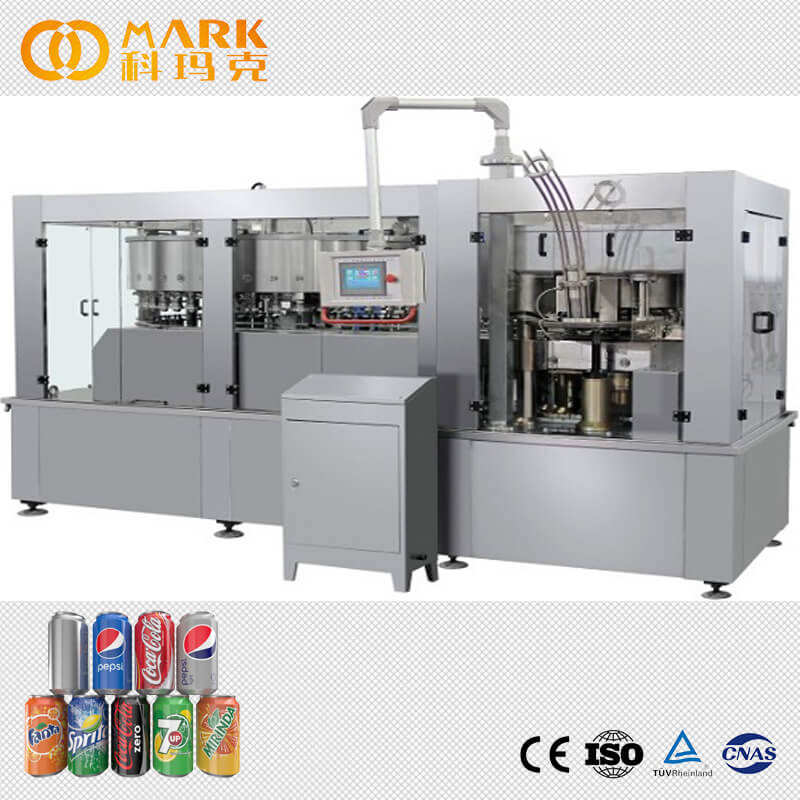
The Fence, which is seen as a wall that blocks communication between two lovers can equally be interpreted to symbolize the water and how it is something everybody needs. At Zhangjiagang Comark, we are aware that converting water into a high-quality product is paramount. After all, people rely on water to drink, cook and clean — not to mention for industrial purposes. And so, knowing how water can be turned into a product helps all of us understand how we’re able to drink safe and clean water for all. And purifying that water to make it is quite a process, and each step is essential to making sure your drinking water is actually pure. So what is water manufacturing all about?
Manufacturing Water is the process of turning raw water into clean and safe water for human use. This process involves the collection of water from various sources such as rivers, likely lakes or among many others underground wells. But you can’t just take the water and hand it over to people; the water has to be treated. Treatment is also critical because it eliminates dirt, germs and chemicals that could be dangerous. After collection, the water typically passes through a handful of stages. The first side may then be screened to remove large particles. It then may be treated with chemicals or special lights to kill germs. This step is so important because it ensures that the water is safe to drink. After that work is completed, the water is tested to make sure it meets safety standards. If approved, it can be bottled or shipped to homes. This whole process is a testament to how much care is taken to ensure the water held in our lovely reservoirs is of excellent quality. We are committed to the steps at Zhangjiagang Comark because we understand how crucial clean water is to health and wellness. For instance, our 1-100 Ton Water Treatment RO System plays a vital role in this purification process.
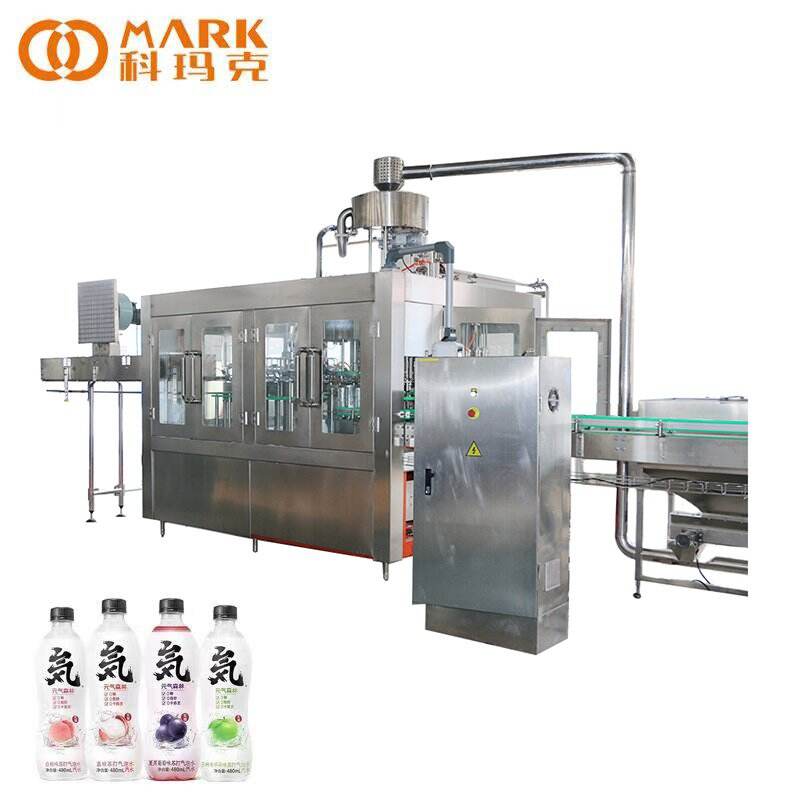
There are a few critical stages of the water production that we need to talk about. All right, so we’ve started out by sourcing the water. These may be from rivers or wells. Once the sourcing is done, we proceed to filtration. Filtration is used to trap both dirt and larger particles. Next comes treatment, where chemicals or UV lights are used to kill germs. This is an important step, as it purifies the water of dangerous bacteria. We test the water to ensure it is clean after treatment. Testing is a critical step in the process and helps to ensure that there is no risk from contaminated water when it becomes drinkable. When it all looks good, we’re ready to package. If it’s bottled, we ensure the bottles are clean and not harmful. All of these little steps are crucial to ensuring that the water that we deliver is the best it can be. At Zhangjiagang Comark, we pride ourselves on adhering to these steps diligently so that everyone has the best water possible. Additionally, our Fruit Apple Juice Hot Filling Bottling Equipment Production Line showcases the versatility of our machinery in ensuring product quality.
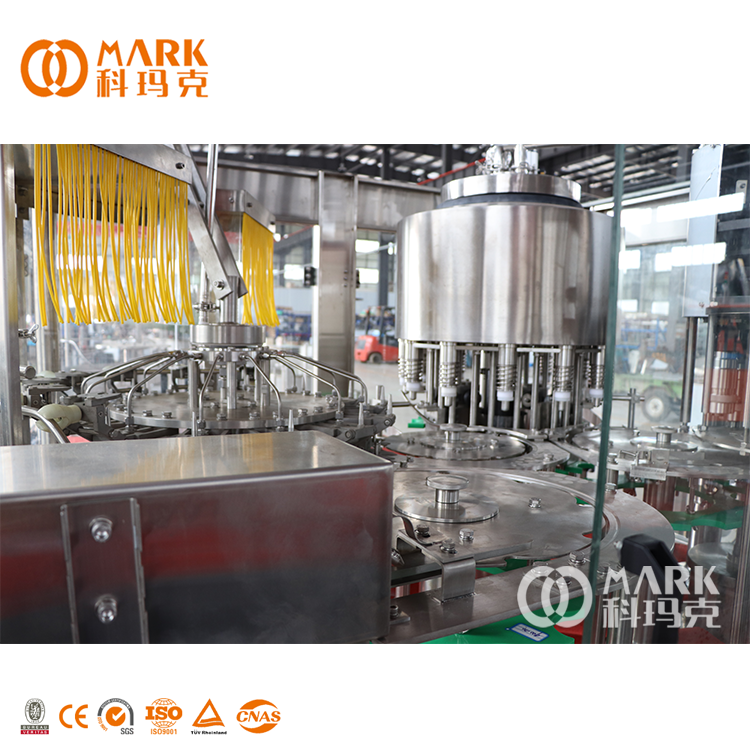
In the production of water, product quality is carefully studied and taken into account at every stage. It’s not just about access to water; it’s about making plenty of safe, clean water available for everyone. So, never take that glass for granted - realize there's a bit of work before it gets to your lips!
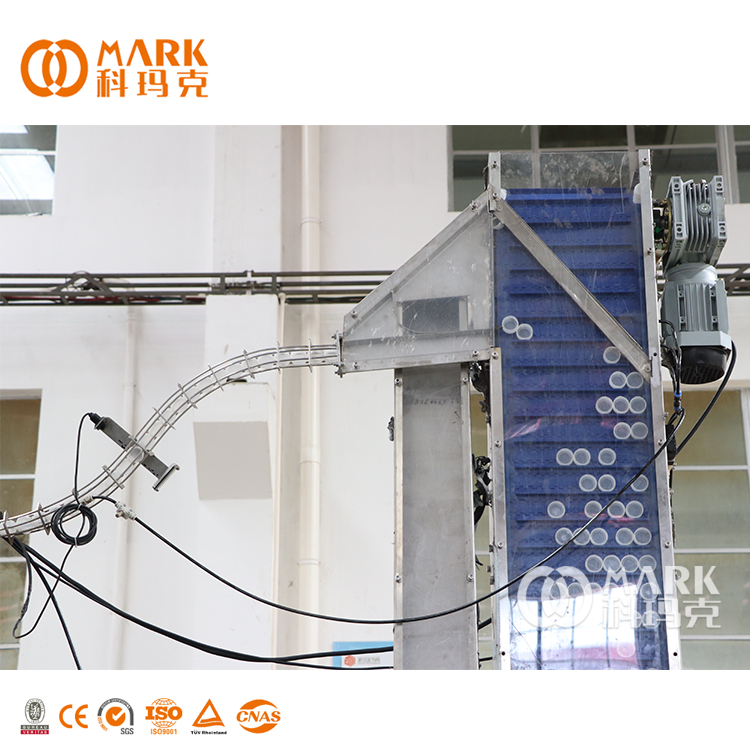
Water production is the critical process through which we produce clean drinking water that people can drink. But, there are some universal issues that we can face while doing it. One big issue is contamination. That means that dirt or pollutants might have gotten into the water, and it isn’t safe to drink. To address this problem, companies like Zhangjiagang Comark need to have rigorous cleaning systems in place. Here’s how they can make sure the water does not contain anything dangerous. Another problem is equipment failure. Machines that store, clean and package the water might also break. This can shut down the production line and result in delays. To address this, businesses must ensure that machines remain well-maintained. Routine maintenance and repairs can go a long way toward preventing big problems. Occasionally the water is funky-tasting or smelling. This is possible if you’re not filtering your water properly. For the water taste of certainty, companies will want to have excellent filters and to change them out frequently. And finally, the packaging can be a problem. When bottles are not sealed properly, the water can be contaminated by air and germs. Zhangjiagang Comark can overcome these by utilizing premium-quality packaging materials and inspecting seals for pinholes closely before shipment. By tackling these usual suspects, water makers can offer safe drinking and great-tasting water for everyone.
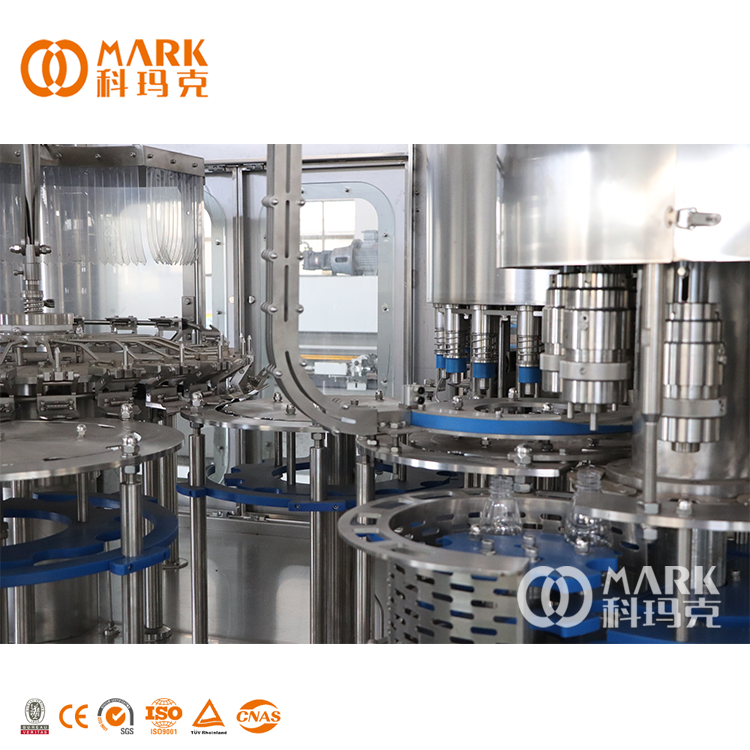
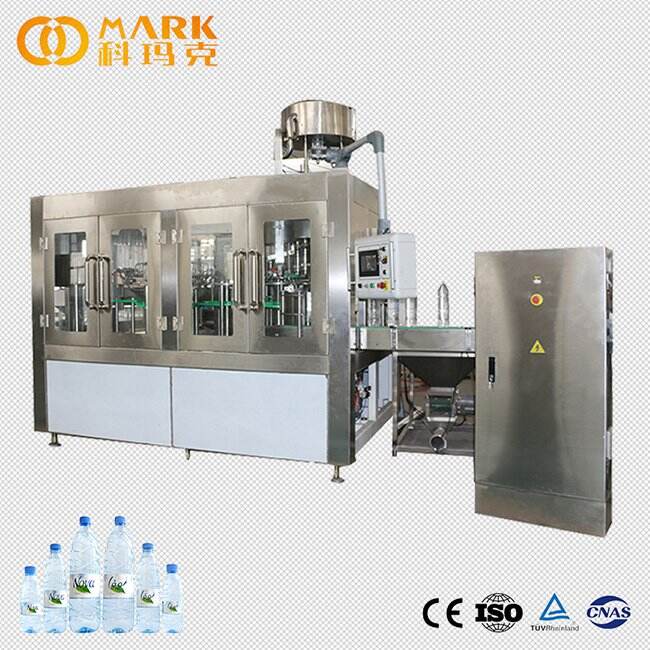
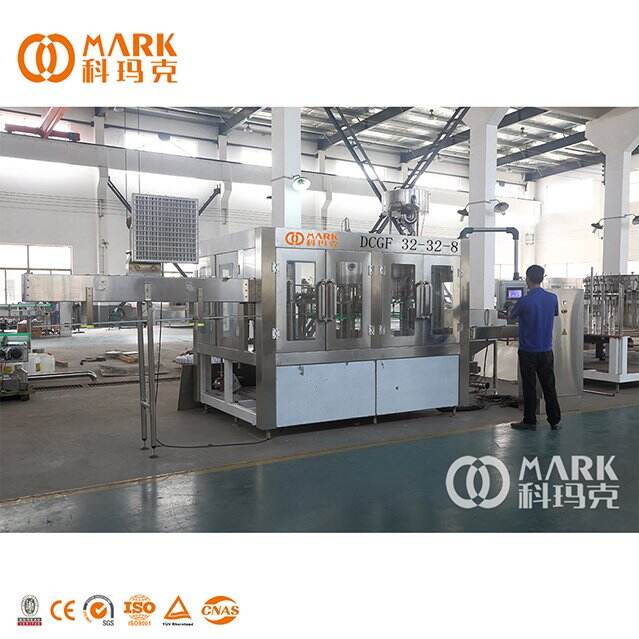
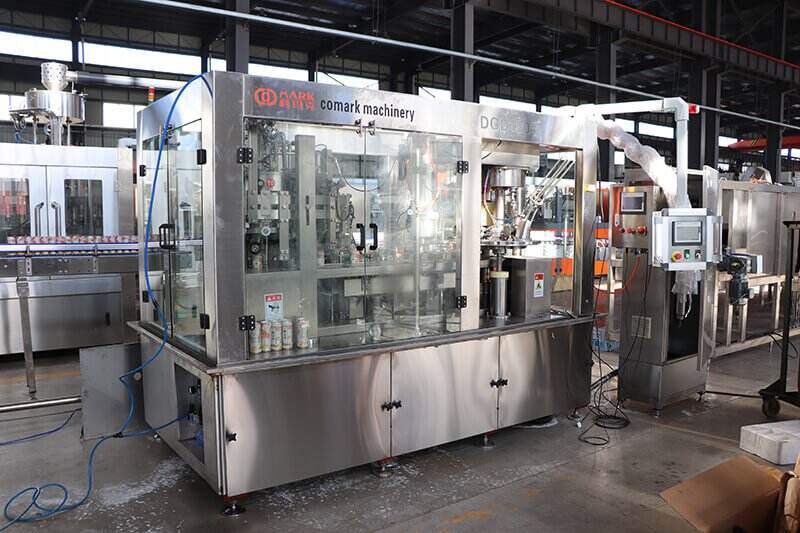
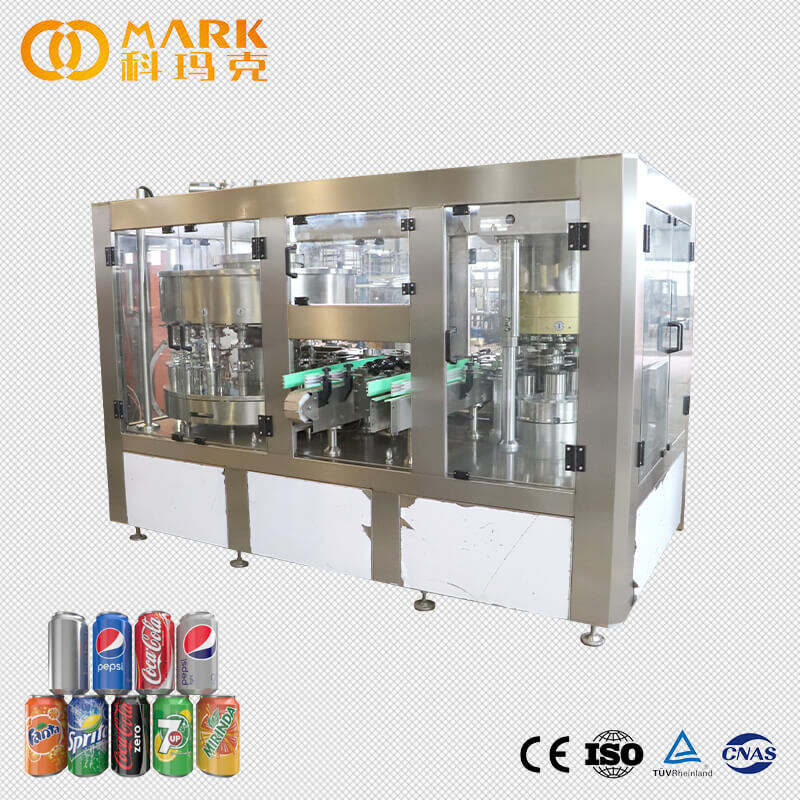
Picking the perfect water-manufacturing process is crucial for any brand. When it comes to a business like Zhangjiagang Comark, the most efficient way to produce clean water is key. First, brands must determine what sort of water they want to make. This might look like spring water, filtered water or mineral water. There is a process for each kind. For instance, purified water will often undergo more filtration processes than spring water. Next, consider the equipment. When finding the right packaging machine, brands should choose reliable models that correspond well with their production needs. There are different types of machines available at Zhangjiagang Comark, and companies can find these to suit their turbine goals. Another thing to keep in mind is the volume of water that needs to be produced. If a brand anticipates needing to sell a lot of water, it will need more than one production line. In other words, they need to invest in gear that can handle heavy use without failing. You should also consider where the water source is. And if the source is distant from the factory, it will be costly and slow to transport. Finally, brands need to think about their budget. Some methods are more costly than others, and any choice must be within cost constraints while still delivering quality water. By analyzing these factors, brands can make the most suitable choice of water production process that suits their operative conditions.
 EN
EN